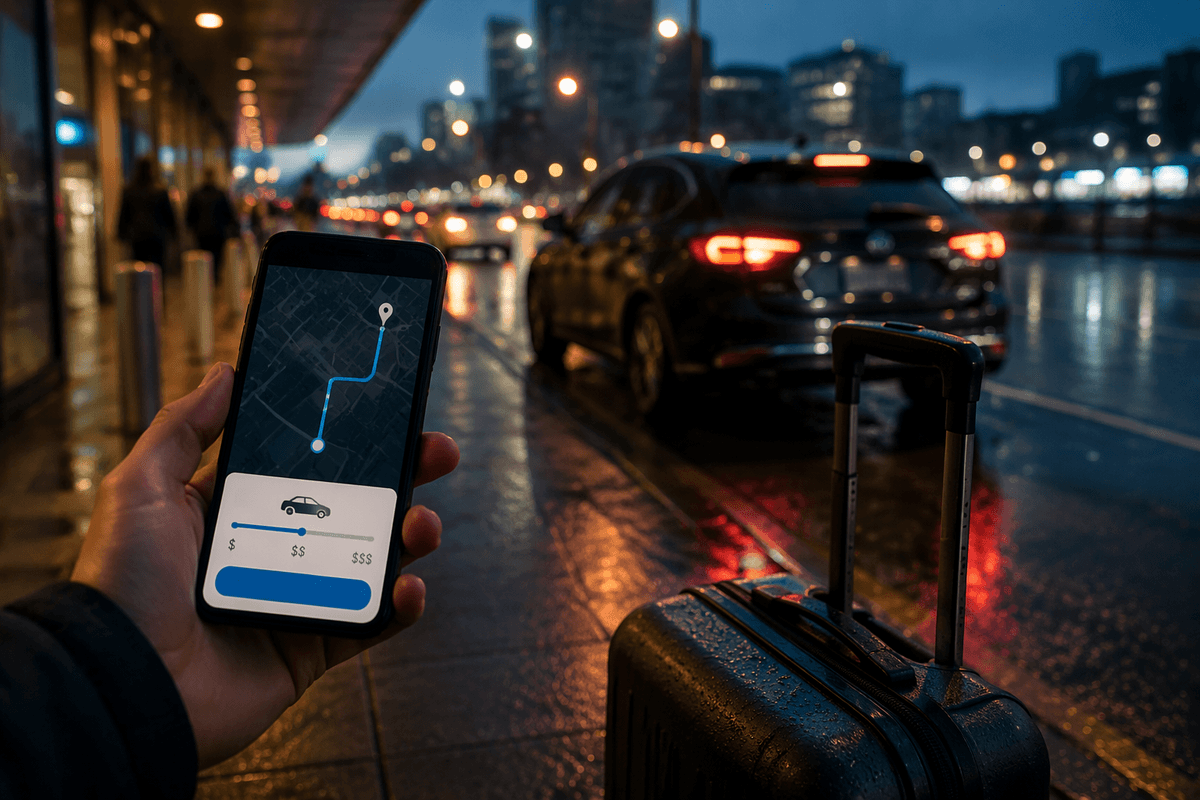
The real packing mistake is betting on luck
I was at the departure gate with my carry-on half-zipped, watching the overhead bin space disappear row by row, when I realized I’d “packed for vibes,” not for failure points. My phone was at 12%, my passport was in the wrong pocket, and I had exactly one plan for getting cash if my card got flagged. It wasn’t fear—just the quiet math of a 10-day, multi-city trip where one small hiccup can snowball into a missed connection.
The real packing mistake is betting on luck: assuming you won’t get sick at the worst hour, won’t fumble a document, won’t have a bag opened in a crowd. People often respond by buying bulky “safety gear” that’s heavy, awkward at security, or illegal where you’re going—more hassle than protection. A better trade-off is carrying tiny, boring redundancies that buy time: backups for identity, money, power, and a few health basics that work when pharmacies are closed or you’re stuck airside.
This approach isn’t for someone camping off-grid or heading deep rural; you’ll need more than a carry-on micro-kit. It does work for the mid-budget, last-minute packer who wants fewer moving parts: pack for the delays and the dumb mistakes, not the movie plot. If an item can’t clear airport rules, can’t be explained quickly at a checkpoint, or can be bought in five minutes on arrival, it’s usually the first thing I leave behind.
Start with your risk profile
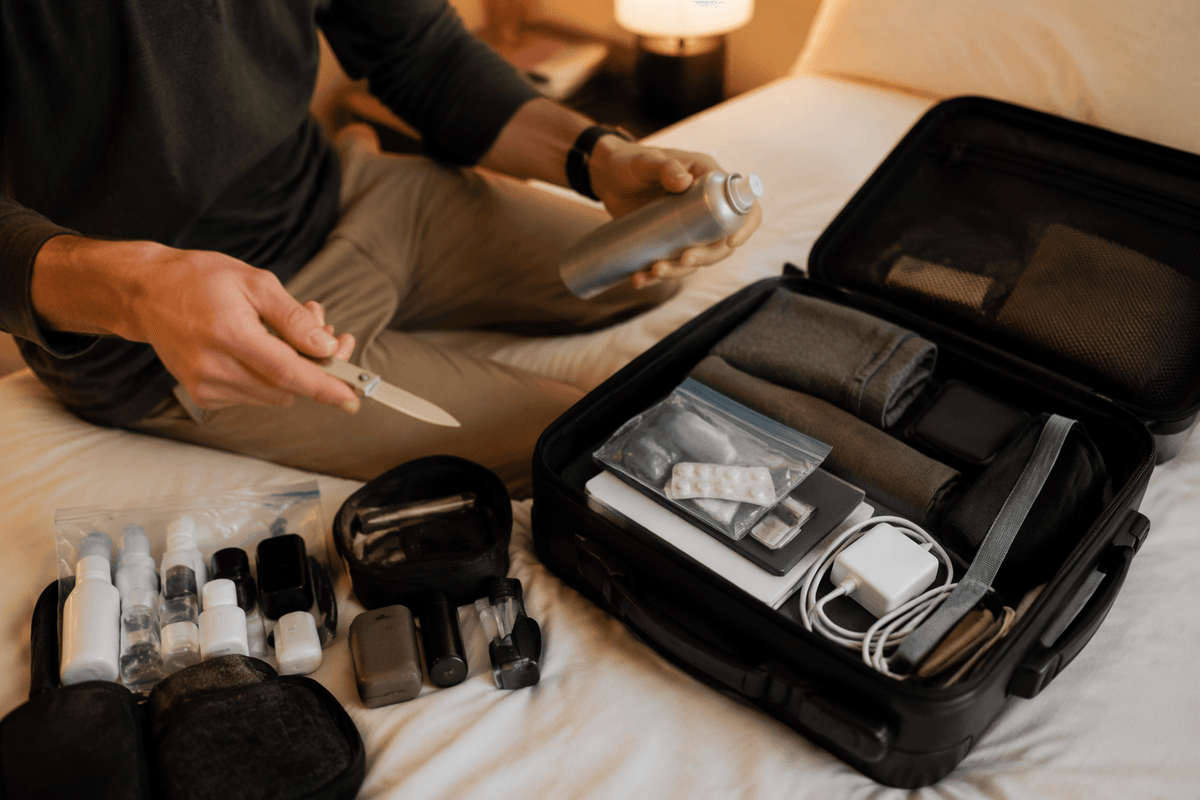
I froze in the security line when the agent held up my mini tool: the “cute” keychain had a blade I hadn’t even noticed. Two minutes of improvising meant I was repacking on the floor, watching my boarding time creep closer. That’s when it clicked that “safety” isn’t one kit—it’s a risk bet you’re making, whether you name it or not.
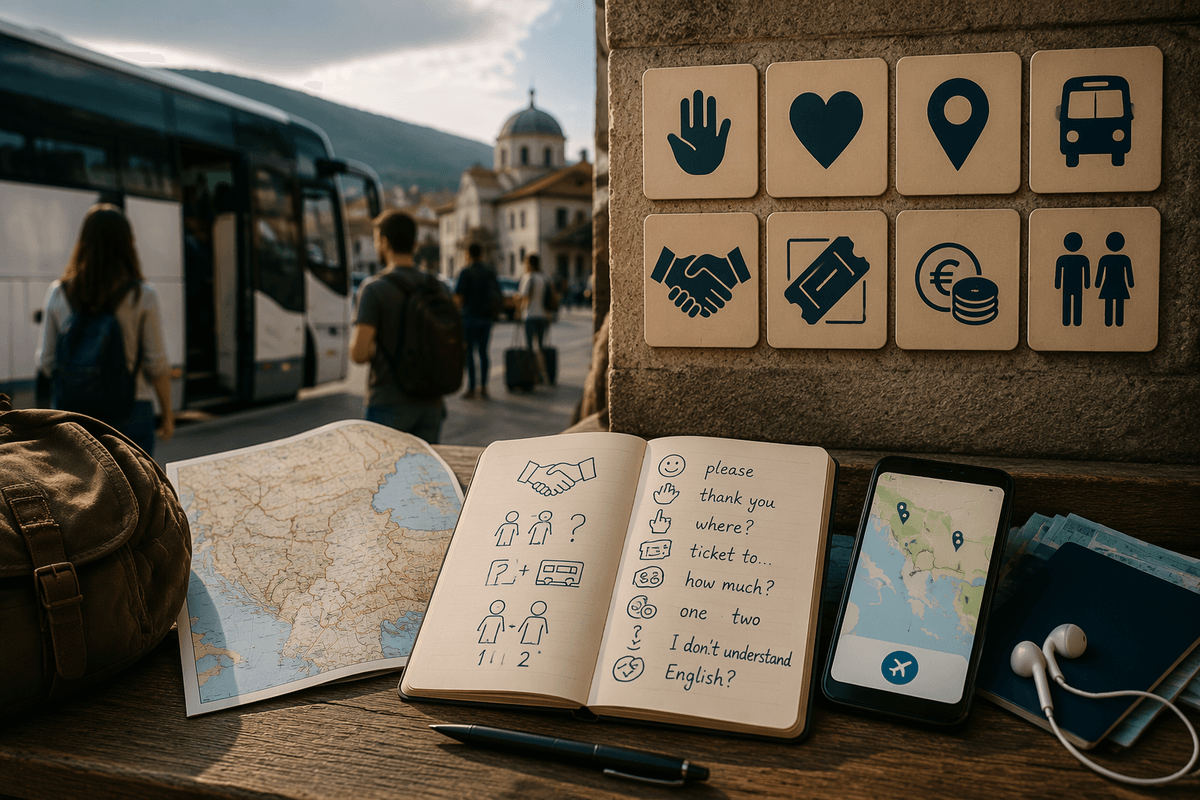
Build your risk profile from the trip you’re actually taking: how many flights, how tight the connections are, how much time you’ll spend in transit hubs, and whether you’ll be out late with your phone as your map. If your biggest fear is missing flights, prioritize power + access: a reliable power bank, a short charging cable you can’t lose, and one offline copy of key confirmations. If it’s theft, go smaller and quieter than gadgets: a crossbody or waist pack that stays on-body, a luggage zipper clip, and a decoy wallet beat most “tactical” gear—plus they don’t raise legal questions at checkpoints.
Then apply the carry-on filter: anything sharp, aerosol-heavy, or “self-defense” coded is a time-tax at security and can be illegal by destination, so I skip it. If pharmacies are easy where you’re going, don’t haul a full medicine cabinet; bring the “closed-at-2-a.m.” basics and buy the rest locally. When in doubt, pack for the delays you can’t shop your way out of mid-connection.
Health kit basics you’ll actually use
At 1:10 a.m. in a hotel bathroom with fluorescent lighting and a too-soft towel, I stared at a blister that had gone from “annoying” to “this will ruin tomorrow’s walking day.” The lobby shop was closed, the nearest pharmacy was “10 minutes” on the map (read: 25), and my carry-on was already tight. That’s the health-kit moment that matters: not emergencies, just preventable misery when everything nearby is shut.
For a 10-day, multi-city trip, I keep the kit small enough to forget it’s there, but specific enough to work. Priority goes to items that save sleep or keep you moving: a few blister patches or moleskin (lighter than spare shoes), a couple of adhesive bandages, a tiny antiseptic wipe pack, and 2–4 doses each of pain/fever relief and an anti-diarrheal. If you’re prone to allergies or motion sickness, those beat “just buy it there” because timing matters mid-transit.
I skip big bottles, sprays, and anything borderline at security, and I don’t pack a full cold pharmacy unless I’m heading somewhere remote or language barriers will slow me down. A compact thermometer and fancy supplements sound smart but rarely earn their space. If you can’t explain an item fast at a checkpoint, or you won’t reach for it within two minutes at 2 a.m., it probably doesn’t make the cut.
Digital and personal security essentials
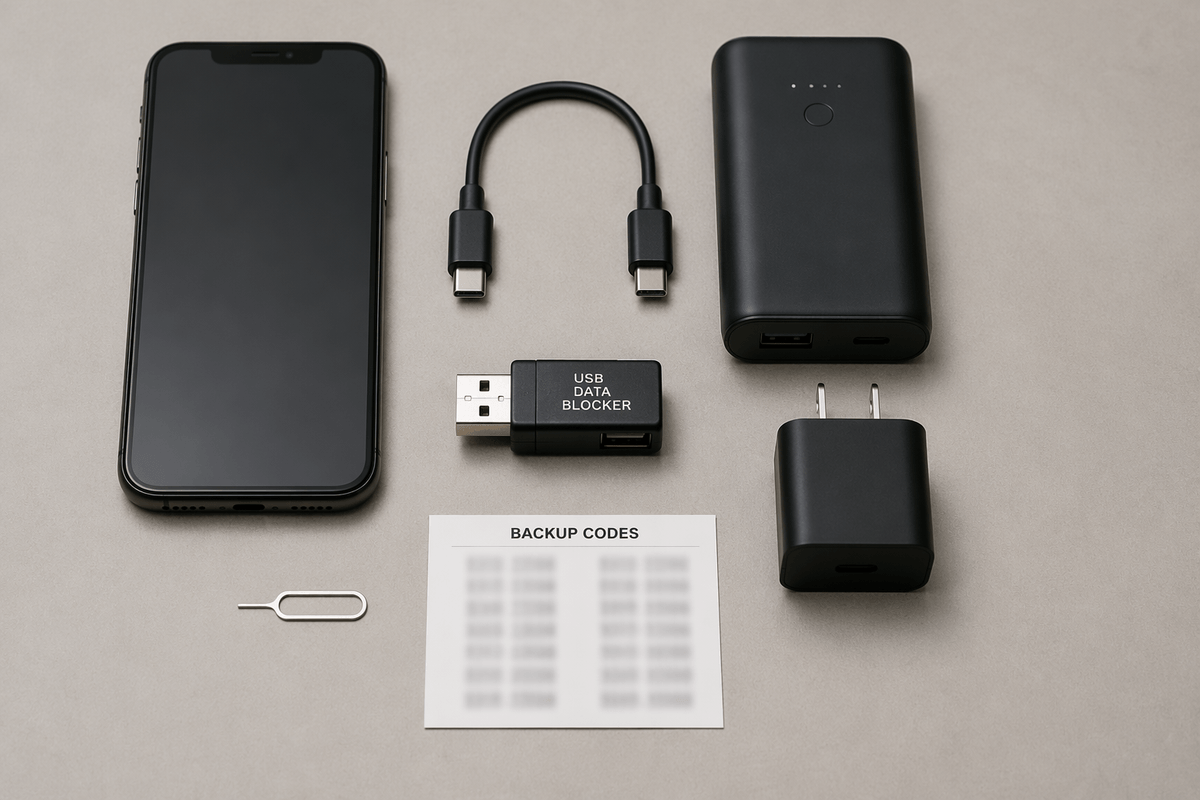
I paused in the hotel lobby with my phone out, trying to join the Wi‑Fi while a couple behind me leaned a little too close for “just waiting.” The network name matched the sign, but there were two near-identical options, and my battery was low enough that I didn’t want to experiment. That’s the digital-security moment I plan for: not hackers in hoodies, just tired decisions made in public.
My highest-value items are boring and small: a privacy screen protector (works on planes and in crowded metros), a short cable you’ll actually keep attached, and a compact power bank so you’re not forced to charge at random ports. If you use public charging, a USB data blocker can be worth the grams; it’s less useful if you only ever plug into your own wall adapter. On the access side, set up an eSIM/roaming plan before you leave, enable two-factor authentication, and store your backup codes offline—because “I’ll reset it later” is how accounts get locked when you’re in transit.
For personal security, I skip self-defense gadgets that trigger security questions or local legal issues. A small carabiner or zipper clip for your bag in crowds, a cheap decoy wallet, and one “always on-body” pocket rule for passport/primary card. It won’t stop a determined thief, but it reduces the easy wins—especially on station platforms when your attention is split between signage and time.
My default kit for any itinerary
At 11:47 p.m. the night before a flight, I had my carry-on on the bathroom scale and a small pile of “just in case” items on the bed. The zipper was closing, but only if I stopped pretending a bulky kit was the same as being prepared. I kept the things that buy time when you’re tired, rushed, and stuck behind glass at an airport counter.
My default safety kit is basically three micro-pouches: access, health, friction. Access: passport photocopy + one backup card in a separate spot, plus an offline note with your first-night address and emergency contacts (works even when data doesn’t). Health: blister patches, a few bandages, antiseptic wipes, 2–4 doses each of pain/fever meds and anti-diarrheal, plus any personal “can’t-miss” prescription—small enough for carry-on rules, useful when pharmacies are closed. Friction: privacy screen, compact power bank, short cable, and one zipper clip/carabiner; it won’t defeat a pro, but it stops the easy unzip in crowd flow.
What I skip: blades, pepper spray, “tactical” keychains, big liquid antiseptics, and oversized first-aid rolls—legality and security delays aren’t worth the grams. If space is tight, keep the redundancies that prevent missed flights (power + documents) and buy the rest locally. Pack it once, then stop re-deciding every trip.






![8 Best Investments for Beginners [Build a Diversified Portfolio]](static/image/2026/07/21/881dac31-767e-43de-be06-48a2f9750981.png)