Why Cayman fits luxury seekers craving adrenaline
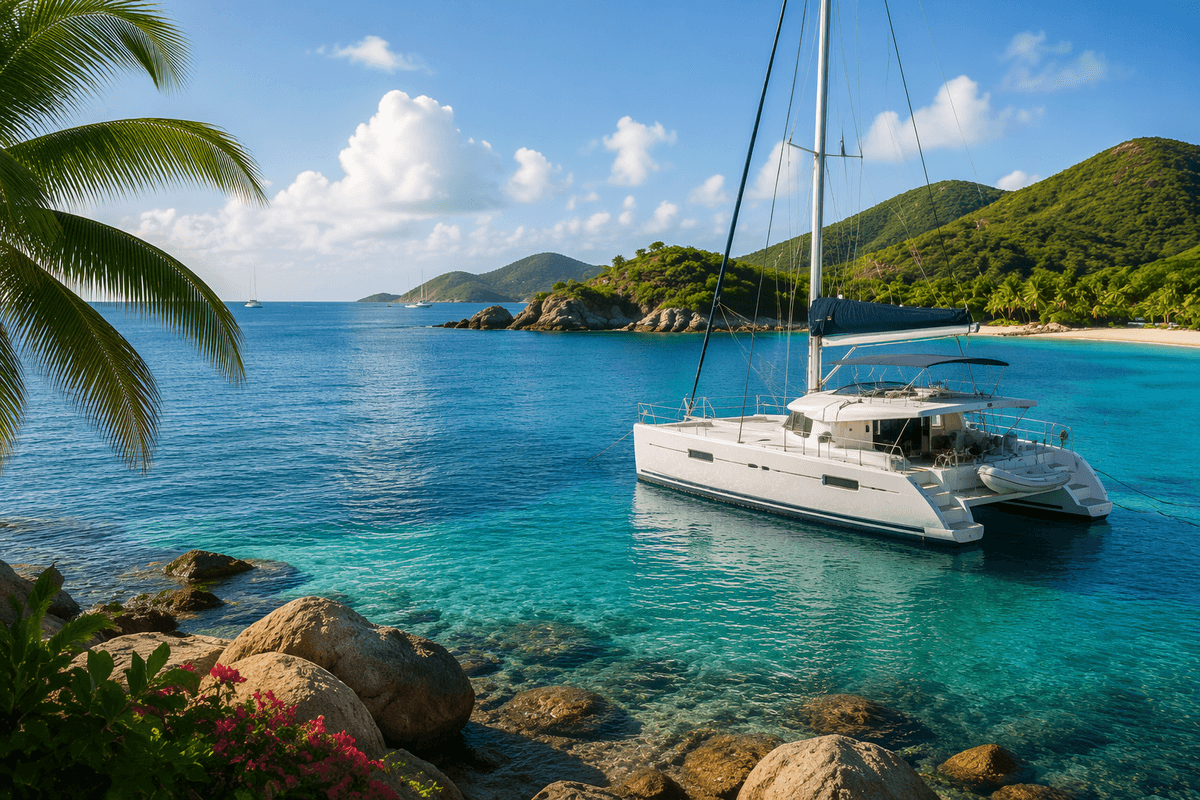
The first real decision hits before you even book a room: do you want “easy luxury with optional adrenaline,” or “adrenaline that forces the luxury to adapt around it”? Cayman works because you can wake up on Seven Mile Beach with resort-level comfort and still be in the water fast—but the same convenience attracts cruise-day crowds, and that can blunt the feeling of escape if you don’t time things deliberately.
What Cayman does unusually well is stacking high-end downtime next to legit adventure without turning the trip into a logistics project. Stingray City, wall dives, and clear-water snorkeling can be half-day wins, so you’re not sacrificing every afternoon to a boat schedule. The constraint is sea conditions: if wind kicks up, north-side plans can wobble, and the “perfect day” becomes “good enough” unless you’ve built flexibility into your week.
Budget-wise, it’s also forgiving in a specific way: you can spend on the room and still get meaningful thrills—until you leave bookings late. The best operators and nicer boat times fill, and last-minute upgrades quickly eat into that $6–9k envelope.
Choose your island: Grand Cayman, Cayman Brac, Little Cayman
Standing at the airport check-in with a “maybe we’ll add Little Cayman” tab still open on your phone is the moment this trip either stays effortless—or becomes a chain of small time losses. For 5–6 nights, Grand Cayman is the only island that reliably lets you do luxury and adventure without feeling like you’re commuting: Seven Mile Beach resorts, the broadest dining scene, and the easiest access to operators. The catch is density—cruise-day traffic and popular sites can feel busy unless you’re willing to go early, pay for smaller boats, or schedule your big-water mornings away from port-heavy days.
Cayman Brac and Little Cayman reward you with quieter, more “we came here for the water” energy, but they ask for commitment. Inter-island flights are short, yet they still carve out daylight once you factor in checkouts, airport buffers, and the fact that weather can disrupt the neat plan you pictured. Brac leans rugged—bluff hikes, caves, and a more remote feel—while Little Cayman is the purest dive play, especially if you’re prioritizing multiple boat days over spa afternoons.
For most mid-30s couples on a $6–9k total budget, the clean split is either all Grand Cayman (3 adventure mornings, 2 slower luxe days) or 4 nights Grand + 2 nights Little Cayman only if diving is the headline. Trying to sample all three in under a week usually reads as “we did a lot of airports” more than “we escaped.”
Where to stay: resorts, villas, private-charter bases
The first time you pull up a map of Seven Mile Beach, it’s tempting to pick the prettiest pool and call it done—until you realize your “easy morning dive” can turn into a 40-minute transfer each way if you’re anchored too far from where boats actually depart. On Grand Cayman, staying on (or just off) Seven Mile Beach keeps the luxury part frictionless, but it also puts you closest to the cruise-day gravitational pull; if quiet matters, the same caliber of room on the southern end of SMB or toward West Bay can feel calmer, at the cost of slightly longer drives to dinners and some pickups.
Resorts are the cleanest choice if you want spa time and turnkey service between adventure blocks, and they pair well with a 5–6 night trip because you’re not managing groceries, beach gear, and housekeeping schedules. Villas work best when you’re committed to a rental car and a “we’ll make our own rhythm” week—private breakfasts, late swims, and fewer people—though it’s easier to underestimate add-ons like car, chef nights, and deposit rules, which can nudge you past $9k quickly.
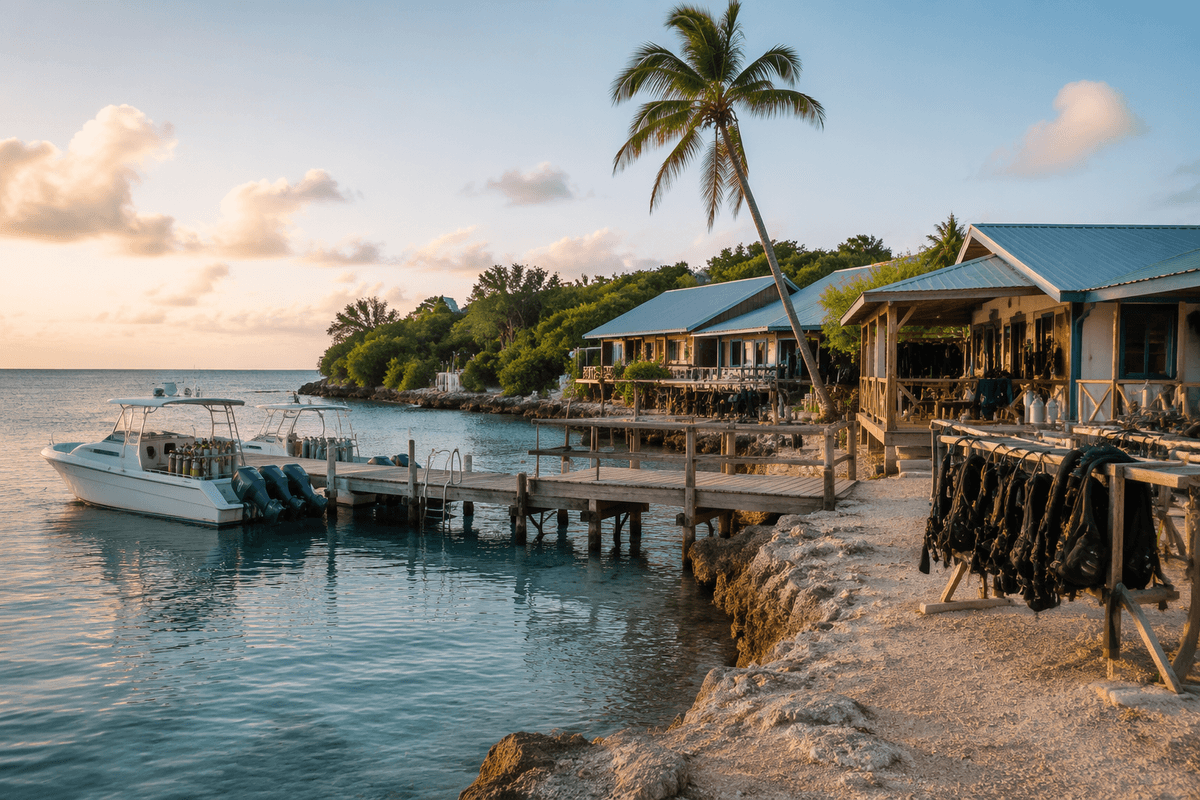
If you’re adding Little Cayman or Cayman Brac for diving, treat the stay like a basecamp decision: being near the dive dock beats a fancy room you barely see. The limitation is availability—smaller inventory means prime weeks book earlier, and your whole island hop can unravel if you assume you can “figure lodging out later.”
Signature adventures: diving, stingrays, cliffs, caves
The moment you’re staring at a 7:30 a.m. dock time while your resort breakfast starts at 8 is when Cayman’s “have it all” promise gets real. For Grand Cayman, I’d bias your best-energy mornings toward water: a two-tank on the West Bay/North Wall when conditions cooperate feels like a genuine thrill without burning the whole day, but north-side plans are the first to get reshuffled by wind. If you only dive once or twice, book earlier in the trip so you have a weather-buffer day to re-slot, instead of watching your last morning get blown out—literally.
Stingray City is the iconic half-day, and it works best when you treat timing like a luxury purchase. Midday trips can feel like a floating meet-and-greet, especially on heavy cruise days; the early boats (or a private charter split with another couple) cost more, but the experience shifts from “crowded attraction” to “we can actually linger.” Pair it with Coral Gardens or Starfish Point only if you’re okay with a slightly rushed return—otherwise you’ll feel the schedule snapping at your heels by lunch.
If you add Cayman Brac, this is where you earn the “adventure” headline on land: the bluff hikes and caves are memorable, but they’re not spa-adjacent. Heat, bugs, and uneven footing make it a real outing, not a casual stroll, and you’ll want a car and a flexible start time. Little Cayman is the opposite: fewer moving parts, more repeated dive joy—great if you want multiple boat days, less ideal if you’re chasing variety plus late-night dining.
Luxury between highs: beach clubs, spa, fine dining
The first night you’re tempted to “just wing dinner” is usually the one where Cayman reminds you it’s still a small island with big-demand weeks. On Grand Cayman, the dining scene is deep enough to feel like a choice, but not so deep that last-minute prime tables are guaranteed—especially if your dive day runs long and you’re trying to book something for 8:00 p.m. I’d pick two anchor dinners you actually care about and lock them early, then keep the rest flexible so weather-driven adventure shuffles don’t domino into missed reservations.
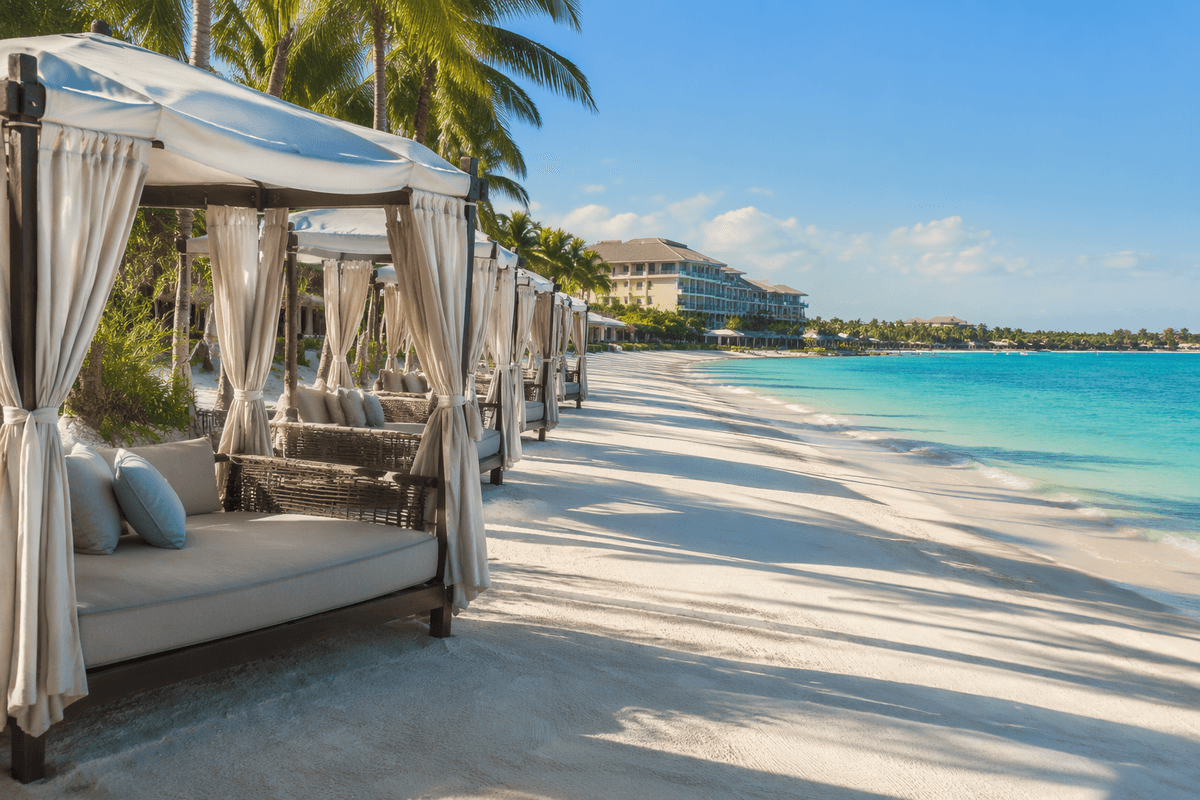
For beach-club-style lounging, Seven Mile Beach is the easy mode: you can go from a late breakfast to a shaded chair without burning a “real” day on logistics. It does come with background noise—more foot traffic, more families, more people cycling through—so if your version of luxury is quiet, you’ll either pay for more private frontage or you’ll need to time it (earlier mornings feel genuinely calm; mid-afternoon can feel like peak resort churn).
Spa time works best as a pressure-release valve, not a main event. Put it after your most physical water morning (two-tank dives, long snorkel, or kayaking) when you’re already salty and a little sun-heavy; it turns fatigue into recovery. The constraint is availability and timing: late-afternoon slots disappear first, and if the sea flips your schedule, that “perfect” massage day can be the hardest thing to rebook on short notice.
A simple way to blend splurge and adventure
By day three, the easiest mistake is thinking you can “play it by ear” and still get both the best water and the best downtime. A simple structure that actually holds up is alternating intensity: plan 3 adventure mornings (two-tank dive, Stingray City early boat, one kayak/snorkel block) and protect 2 slower days where the only fixed item is dinner. It keeps you from stacking sun, salt, and early alarms until you’re too fried to enjoy the beach you paid for.
If you’re debating an island hop, use one rule: only add Little Cayman if you want at least two consecutive dive days and you’re willing to spend a half-day on transit without resenting it. Otherwise, keep the whole 5–6 nights on Grand Cayman and “buy back” quiet with timing—early departures, smaller operators, and a spa slot on the day the wind makes your Plan A messy. The friction point is booking windows: lock boats and two dinners first, then let everything else flex around sea conditions and your energy.