You want faster service without raising menu prices
It’s a Friday that should feel predictable, but the dining room keeps stalling in the same places: guests waiting to order a second round, servers pinned at the POS, tables sitting “almost ready” because payment takes too long. You can see the revenue you’re leaving on the floor, yet the moment you think about raising menu prices, you picture the regulars doing the math out loud.
So the idea shows up as a compromise: let the guest order and pay at the table, shave minutes off every step, and keep your price points intact. It sounds like speed without a fight—until you start tracing where the minutes and dollars actually go.
In practice, this starts as a throughput problem more than a tech problem. If your bottleneck is order capture and payment, tabletop ordering can convert “dead time” into sellable time—either more turns or steadier add-on sales—without touching list prices. The constraint is that labor rarely disappears; it shifts.
You’re trying to buy back server minutes at the exact time wage rates and scheduling rigidity are squeezing you. If the tool doesn’t reduce peak-hour touches (greeting, order entry, payment) enough to change staffing decisions—or at least protect service times when you’re short—then it’s not margin help, it’s just a different interface.
The promise: higher checks, fewer touches, happier guests
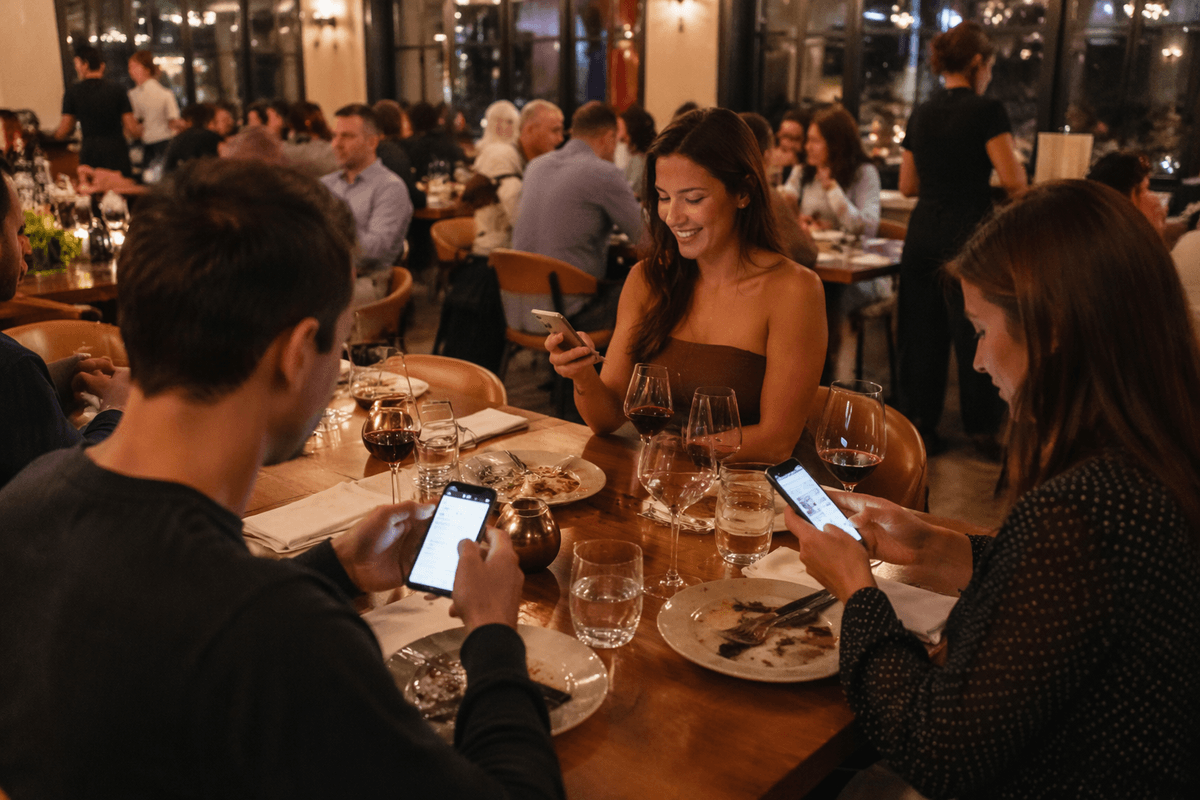
The sales pitch lands right where the pain is: if guests can reorder, add sides, and close out without waiting for a check drop, the room stops “holding its breath” between touches. The vendor deck usually shows three wins at once—higher average check from prompted add-ons, fewer server trips because ordering and payment self-serve, and a calmer guest who feels in control. It’s believable on a Friday when the bar is three-deep and one delayed round turns into a delayed dessert decision.
But that promise only becomes real margin when the lift shows up in behaviors you can measure. The optimistic version is a clean bump in attach rate (another drink, an app, a late-night item) plus a few minutes saved per table that actually converts into another seating during peak. The constraint is timing: if most guests scan after they’ve already committed to “one and done,” the prompts don’t lift much, and the saved minutes don’t line up with your rush.
What’s left, then, is guest mood. A smoother “I’m ready when I’m ready” experience can reduce complaints and comped items, but only if the system doesn’t create new friction—confusion at the table, stalled modifications, or a payment flow that feels like a tip trap.
Reality check: where the guest’s bill can rise
The first time a guest feels the bill creeping up, it’s rarely the entrée price. It’s the stack of “small” adds the interface makes easy: an auto-suggested side upgrade, a second drink prompted at the exact moment they would’ve paused, a default modifier that’s priced like a premium choice. None of this is unethical on its own, but it changes the psychology of spending—especially when the screen makes the incremental total feel abstract until the end.
Then there’s the payment flow. Some systems preselect tip percentages that are higher than what your room typically sees, or apply the tip prompt after tax in a way that feels inflated. If guests notice, they don’t blame the software; they blame the restaurant, and the constraint shows up later as chargebacks, disputes, or “never again” reviews.
The last creep is fees and labels. A “service fee” toggle, a convenience fee, or even a confusing line-item name can turn a smooth closeout into a negotiation at the table. If the guest has to ask what they’re paying for, you’ve traded speed for friction.
Your P&L math: separate lift from leakage
Once you accept that the guest can feel “upsold” while your bank account still feels flat, the math gets less exciting and more useful. Run it like a mini pro forma: isolate where the tool creates lift (check average, add-on mix, peak turns) and where it creates leakage (processing, platform fees, refunds, staff time you didn’t actually remove). The constraint is that most of the “wins” show up as percentages while the costs hit as hard dollars.
Start with a one-week baseline: covers, average check, beverage attach, dessert attach, comps/voids, labor hours by daypart. Then model two scenarios you can defend: a modest check lift (say 2–4%) and a modest turn-time gain that only applies to peak tables. Against that, stack the full load: incremental card-not-present rates (if applicable), QR/tablet SaaS, hardware breakage, menu/photo maintenance time, and expected error rate from guest-entered mods. If the lift doesn’t clear leakage before labor changes, it’s a service tool—not a margin tool.
Service style mismatch: when tech hurts hospitality
Even when the pro forma works, the room can feel “off” in ways that quietly cost money. In a hospitality-forward concept—date-night, chef-driven, anything where pacing matters—self-serve ordering pulls a key moment out of the server’s hands. Guests who want guidance now have to hunt for a staff member anyway, and the constraint shows up as doubled touches: you still do the hospitality, plus you support the device. On busy nights that’s how a labor-saver turns into a distraction, and mistakes get expensive when mods don’t translate cleanly to the line.
It also changes tip dynamics. If guests feel pushed by prompts or confused by split checks, they don’t argue with software—they dock the server or dispute the charge. If your regulars skew older, your lighting is low, or your Wi‑Fi is inconsistent, the friction isn’t theoretical; it’s table time and goodwill.
Ops stress test before you deploy anything
Before you commit, run a stress test on the night that already breaks your flow. Pick a peak hour and assume the system will get its highest-risk mix: modifiers, split payments, add-on rounds, and one table with bad cell service. The constraint is timing—if the QR flow adds even 30–60 seconds of “help time” per table, you’ve recreated the POS line, just at the table edge.
Watch three choke points: (1) ticket routing (do guest-entered mods print cleanly and in the right station order), (2) payment exceptions (declines, partial comps, voids, chargeback-proof receipts), and (3) recovery speed when Wi‑Fi drops or a tablet dies. If any of those require a manager touch, budget that labor back in.
A rollout that tests profit without backlash
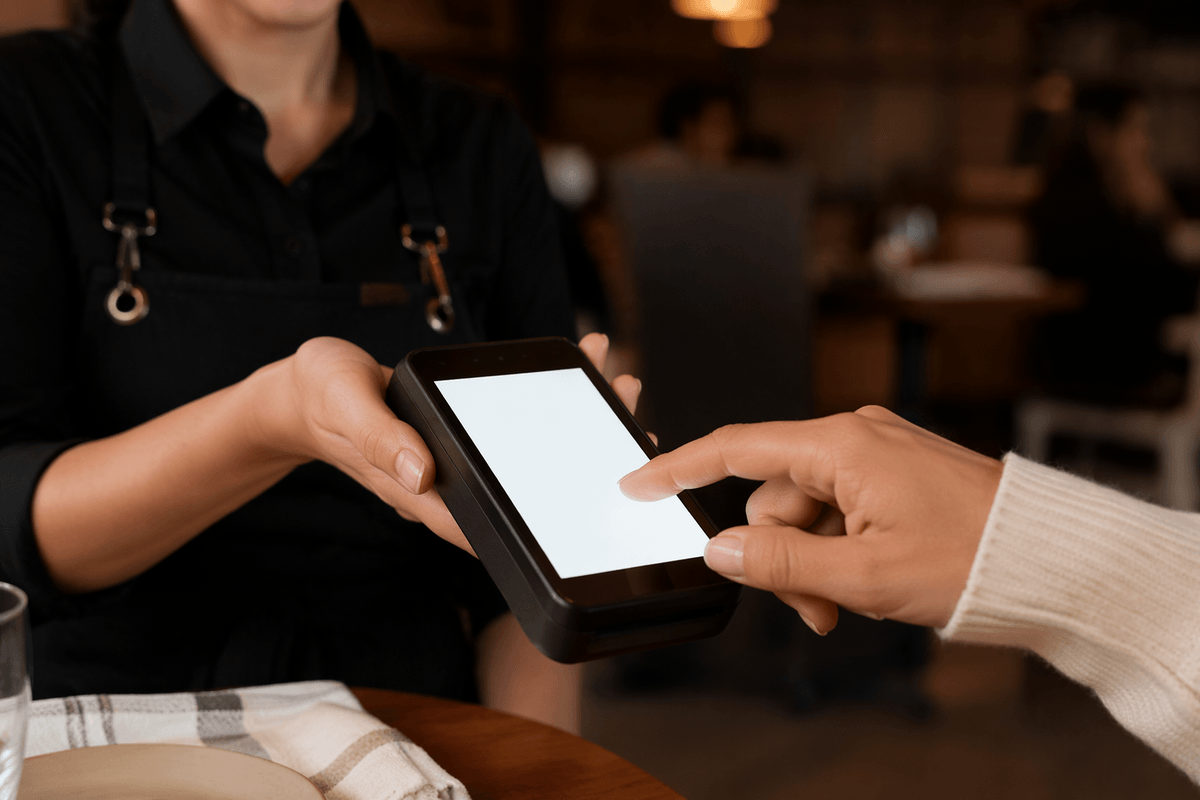
When you finally like what you see in the stress test, the temptation is to flip it on everywhere and “train into it.” That’s how you end up learning tip sentiment and payment edge cases in public. Keep it narrow: one server section, one daypart, two weeks, and a hard rule that guests can still order the old way with no explanation. The constraint is reputational—one awkward table can cost more than a month of software fees.
Set guardrails before day one: no default tip preselect, no surprise fees, and modifiers that match your POS language exactly. Track only a few numbers daily—check average, beverage attach, comps/voids, refund count, and labor hours on that section—plus any chargeback/dispute notes. If lift shows up without new “help time,” expand; if not, stop before it becomes policy.
So can it raise profit and save guests money?
After two weeks, the answer usually isn’t “yes” or “no.” It’s “yes, but only under tight settings.” Profit can rise if the lift is real (attach rate, fewer comps, a measurable peak turn) and you don’t hand it back in fees, refunds, and manager interventions. The guest can feel like they spent less only if the experience removes pain—faster closeout, fewer missed rounds—without inflating the final screen.
The constraint is that “saving guests money” can’t come from a trick. It comes from restraint: no default tip selection, no add-on prompts that read like pressure, and no line-item fees that look like a surcharge. If you need the tool’s tip behavior or fee structure to make the ROI work, it’s not margin improvement—it’s just shifting who pays.
So the decision tightens: keep it where speed is the product (high-volume, lunch, bar) and keep full service where guidance is the product. When those lanes are clear, tabletop ordering can earn its keep without quietly taxing the table.







![8 Best Investments for Beginners [Build a Diversified Portfolio]](static/image/2026/07/21/881dac31-767e-43de-be06-48a2f9750981.png)