It’s not the catamaran—it’s the island chain
The chart looked tidy at 9:40 p.m.—straight little lines between islands, each hop under 12 nautical miles—until I zoomed out and noticed the “easy” leg crossed a wide, open channel. On paper it was a two-hour sail; in real life it’s where trades funnel, seas stack up, and you start negotiating comfort versus pride. That’s the moment you realize the boat isn’t the decision point.
A mid-budget catamaran will forgive a lot, but it can’t shrink distance or calm a wind-accelerating gap. Some island chains are built for line-of-sight days and early anchor cocktails; others demand longer reaches where motion fatigue sneaks in by day three. If your priorities are snorkeling and stress-free set-and-forget anchorages, the “best” place is often the one with shorter, protected hops—even if the headline beaches are elsewhere.
Then there’s the non-sailing friction that quietly eats charter time. One chain might let you clear once and cruise; another has you timing office hours, juggling fees, and deciding whether a crowded mooring field beats a rolly anchorage. In peak weeks, even a perfect bay can feel like a parking lot by 4 p.m., which changes who the itinerary works for. Pick the island group that makes your hardest day feel merely busy—not punishing—and the rest gets pleasantly improvise-able.
Start with your sailing comfort
I hesitated with the wind app open at 7:15 a.m., coffee going cold, watching the forecast bounce between 18 and 24 knots while our draft itinerary still assumed a “quick” channel hop before lunch. The marina felt calm, but the flags on the dock were already snapping—an early hint that the day would feel different once we cleared the headland. That’s where comfort stops being a vibe and turns into a constraint you can plan around.
For a 7–10 day bareboat, your “sailing comfort” is really a tolerance for three things: motion, timing pressure, and crowded endgames. A 12–18 nm leg can be pleasant at 12–16 knots of breeze, then feel like a washing machine at 22 with short chop—same distance, totally different marriage conversation. If you like snorkeling and quiet anchorages more than proving anything, aim for itineraries where you can be anchored by 3–4 p.m.; it buys you options when a bay is rolly or the mooring field is already stacked.
The tighter, protected routes can be busier and more “managed”: more moorings, more rules, less choose-your-own-beach. Longer crossings sometimes unlock emptier anchorages, but they punish late departures—sleeping in costs you twice, once in speed and again in fatigue. If either of you gets queasy, or you don’t love reef navigation at dusk, build a plan that works even when you skip the heroic leg and still feel like you’re having the trip.
Pick the island group that fits
I stared at a screenshot of the Lesser Antilles with three tabs open—“BVI route,” “Grenadines highlights,” “St. Martin to Anguilla”—and realized my neat color-coding didn’t show the part where you’re tired, salty, and still arguing about whether to keep going at 3:30 p.m. The islands were inches apart on the map; the channels between them were not. That’s when “best” stopped being a ranking and started being a fit problem.
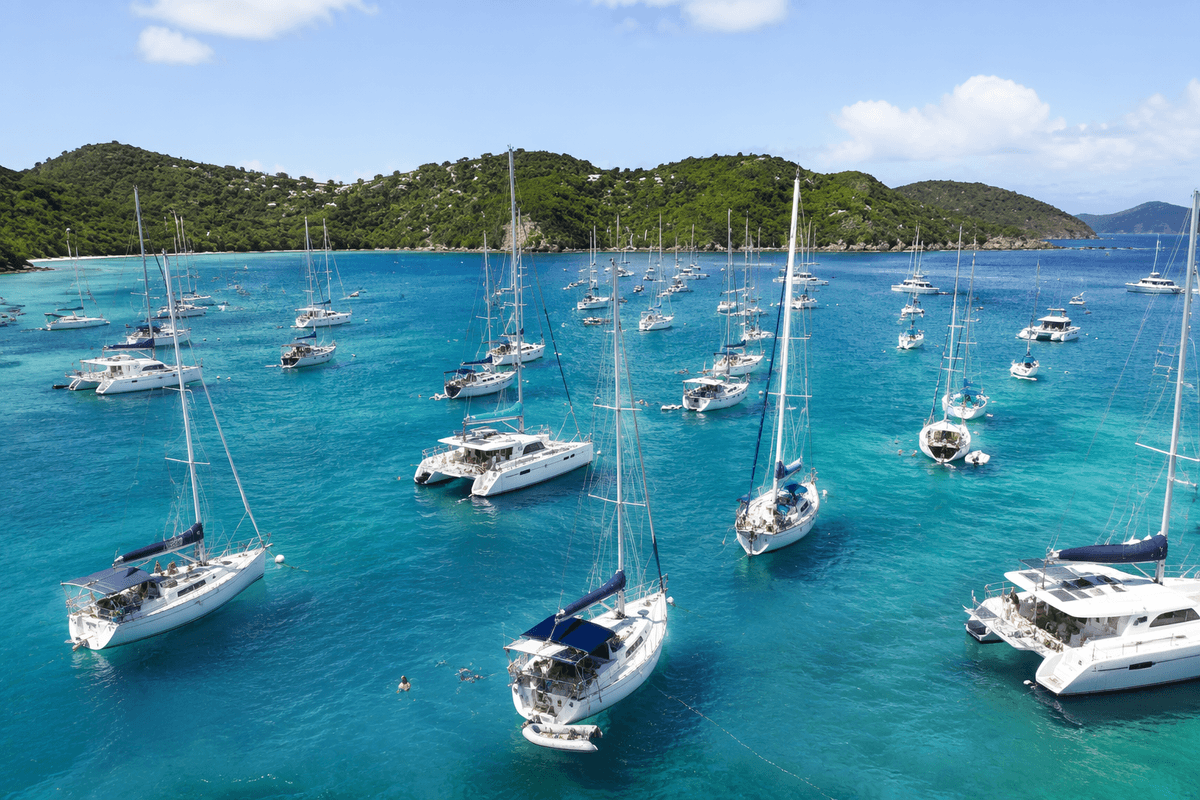
If you want line-of-sight sailing and low-admin days, the British Virgin Islands are the spreadsheet-friendly choice: short hops, plenty of protected anchorages, and lots of mooring infrastructure when you’d rather not set the hook in a crowd. The trade-off is popularity—by late afternoon, some bays feel more like a reserved lot than a discovery, and you’ll pay for that convenience in mooring fees and busy snorkeling sites.
The Grenadines tend to reward couples who can handle a bit more motion and a little more improvisation: fewer “managed” stops, more anchor-by-feel days, and snorkeling that can feel less processed when you time it around cruise-boat peaks. Windier passages and occasional clearance/fee friction can steal half-days, though, which matters on a 7–10 day charter. If either of you hates the idea of arriving late with no Plan B, pick the chain where a skipped hop still leaves you somewhere you actually want to sleep.
Decide how far you want to hop
At 2:10 p.m. we were still rinsing snorkel gear on the stern, staring at a 14 nm leg we’d labeled “easy,” and doing the quiet math: do we leave now and arrive as the mooring field tightens, or stay put and pretend it was the plan? The wind had crept up since lunch, and the sun angle already made reefs harder to read. Nothing was “wrong”—it just wasn’t forgiving anymore.
Hop length is less about miles than what those miles cost you in slack. A 6–10 nm move in a protected chain can feel like a commute: coffee, sail, lunch, anchor by 3. Stretch that to 18–25 nm across a channel and you’ve traded spontaneity for commitment—late departures become late arrivals, and late arrivals mean fewer good spots and more pressure to accept whatever’s available (often a pricier mooring or a rolly edge of the bay). If you’re the kind of couple that likes a second snorkeling session after settling in, shorter hops quietly win.
For a 7–10 day bareboat, I like planning for one “long-ish” day at most, and building the rest as flexible triangles you can shorten. It works especially well if customs/fees are a worry: every extra border stop isn’t just money, it’s office hours and a half-day that doesn’t feel like vacation. If the forecast looks punchy, choose a loop where skipping the marquee island still lands you in a comfortable, swimmable anchorage—pride doesn’t snorkel, but your schedule does.
Check flights, marinas, and provisioning
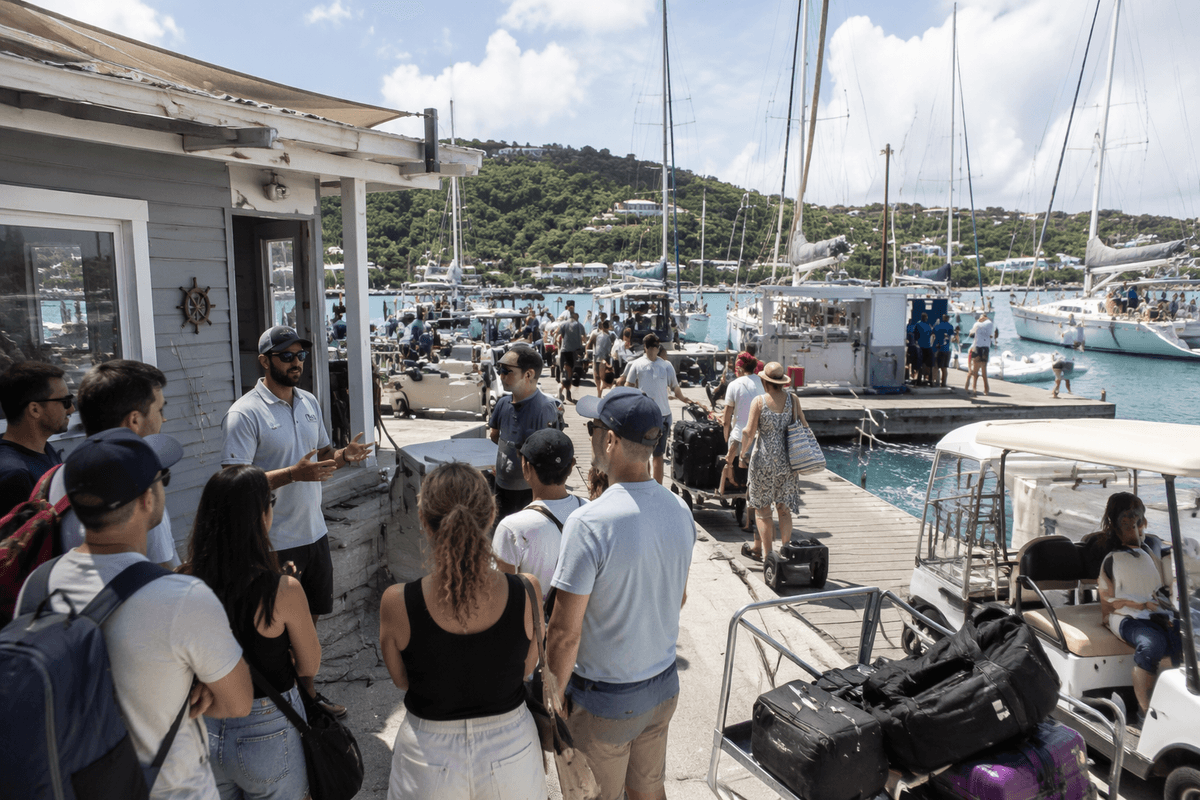
The confirmation email hit at 11:32 p.m., and that’s when I realized my “perfect” route started with a 2:10 p.m. arrival and a 90-minute transfer to the marina. It looked fine until I remembered check-in briefings don’t wait for delayed bags, and provisioning slots tend to. Suddenly the plan wasn’t about which bay we loved most—it was about whether Day 1 would be a sunset sail or a sweaty cart run for paper towels.
Flights decide how many real sailing days you have, not just how tired you’ll be. If you land late, a marina with walkable groceries (or a reliable pre-order service) beats the “nicer” base an hour away, because taxis, ferry schedules, and customs lines stack up fast. The trade-off is cost: easy-access marinas often charge more, and popular bases can feel like an airport terminal on Saturdays—briefings back-to-back, fuel docks backed up, and fewer chances to fix a chartplotter hiccup before you cast off.
Provisioning is where spreadsheet people accidentally overspend. Pre-order works best for bulky basics and beverages, but it can lock you into a menu before you’ve seen the wind forecast or decided how many nights you’ll actually anchor out. If you want spontaneity, aim for a first-night slip near stores, then buy fresh every 2–3 days—just remember Sunday hours (and island holidays) can turn “quick top-up” into a lost afternoon.
What I’d choose by trip length
On Day 3, at 3:47 p.m., we were drifting outside a crowded bay with the VHF crackling, debating whether to pay for a mooring or keep hunting. The water was still that impossible blue, but the wind had edged up and the sun was already flattening the reef detail. It felt like the exact moment a “10-day plan” turns into a “what’s still comfortable” plan.
If you’ve truly got 7 days on the water (not “seven nights including the two travel days”), I’d pick a chain that lets you keep hops under 12 nm most days and still have snorkeling you can reach before the afternoon crowd flow. That usually means a base where clearance is either simple or not required mid-week, and where your Plan B bay is one tack away—not across a channel that punishes late starts. This works best for couples who want to anchor by 3–4 p.m. and still have energy to swim; it’s less ideal if your must-have is an iconic, far-flung beach that demands a committed crossing.
With 9–10 days of real sailing, I’d allow one deliberate “reach day” to buy variety: a longer leg to a quieter corner, then two nights to make the motion tax worth it. You can’t spend the whole morning provisioning, linger over lunch, and still expect the best spots at 5 p.m. If customs fees and office hours already stress you out, I’d keep it one clearance event max; if you’re relaxed about paperwork, that extra range can feel like upgrading your whole itinerary.
If I were choosing for a spreadsheet-friendly couple that still wants a little spontaneity, I’d bias toward the route where skipping one hop doesn’t break the loop. You’ll feel it most at sunset: fewer “we have to go,” more “we could stay.”

![8 Best Investments for Beginners [Build a Diversified Portfolio]](static/image/2026/07/21/881dac31-767e-43de-be06-48a2f9750981.png)