Remote isn’t hard—it’s slower
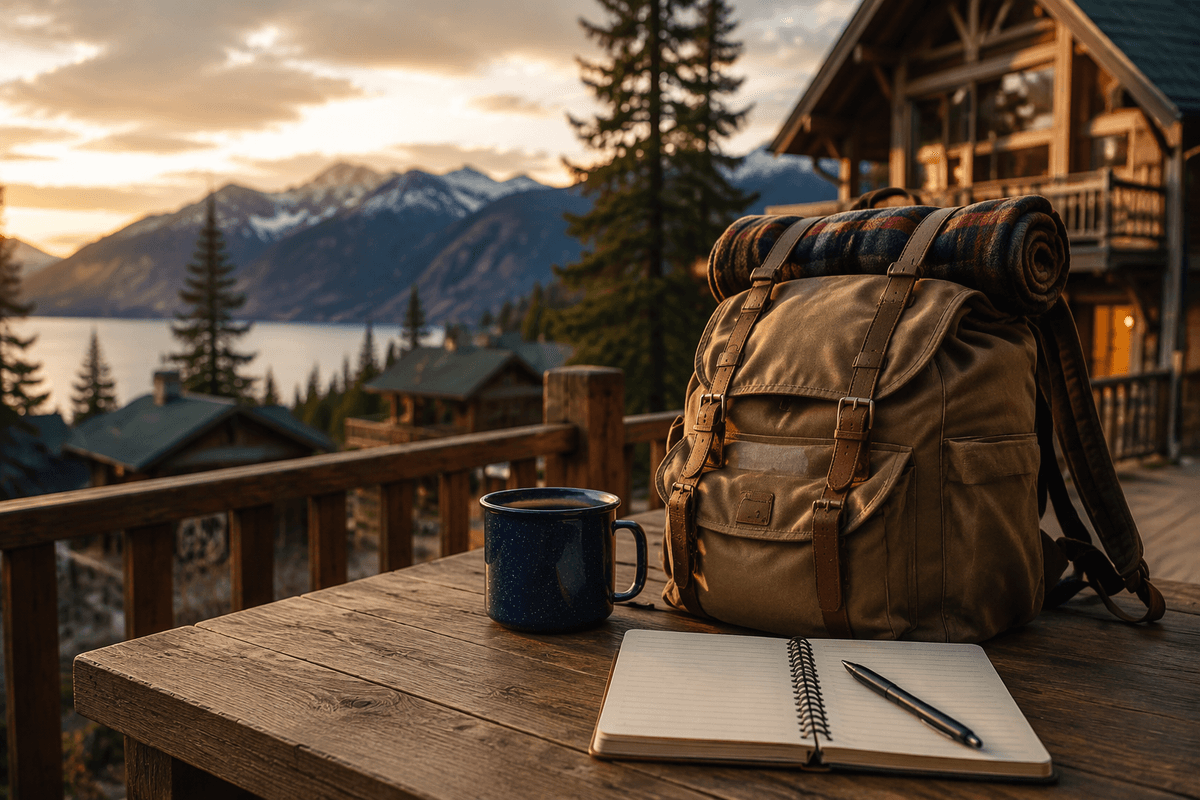
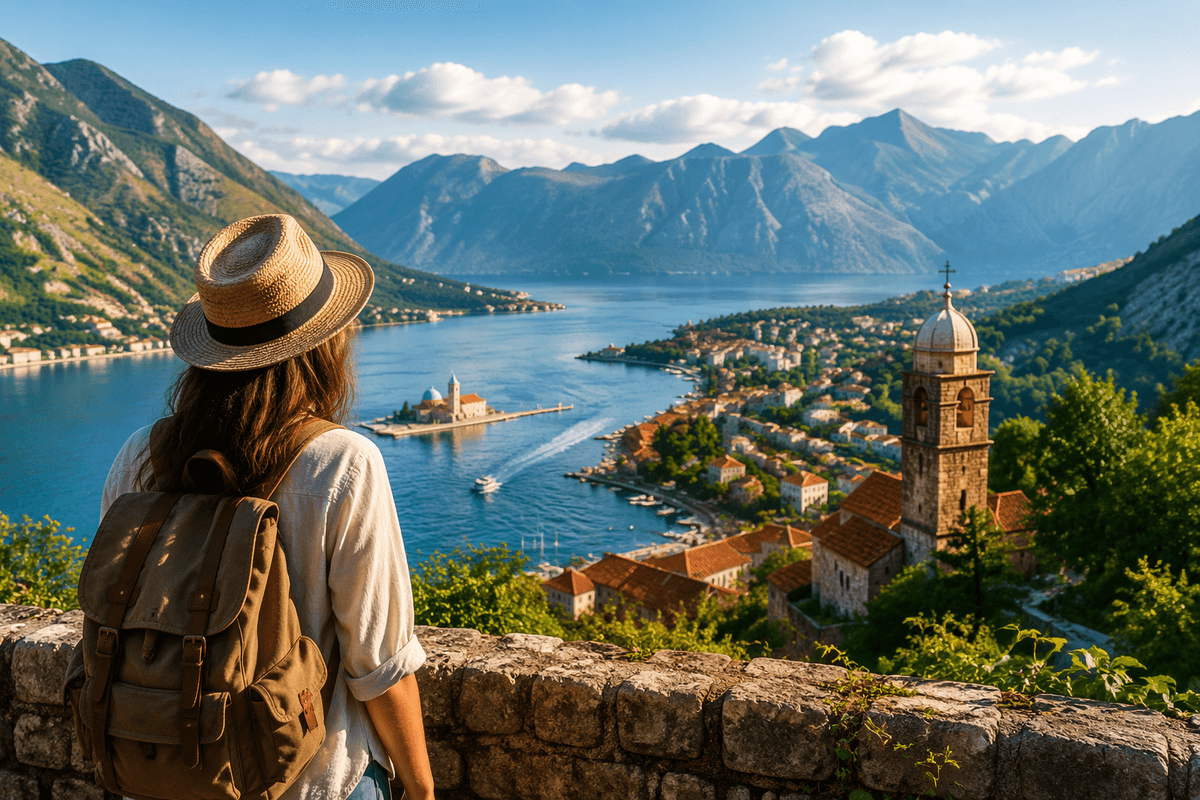
Traveling to remote areas in Nepal is often less about distance and more about time. A route that looks short on the map can take much longer because of winding roads, traffic, weather, or delays with local transport.
With a 10–14 day itinerary, it's usually better to leave some flexibility instead of trying to reach the most distant villages. Extra time gives you room for changing road conditions, transport delays, or permit issues without disrupting the rest of your trip.
A buffer day is one of the best investments you can make. It reduces stress, keeps your schedule flexible, and makes it much easier to enjoy the journey instead of rushing through it.
Getting there is the first test
At the Gongabu bus park, I hesitated with my backpack half-zipped, watching a conductor wave people toward a “deluxe” bus that looked only slightly less tired than the local one. My phone said 185 km; the handwritten board said “8–10 hours,” and neither felt fully honest. I bought the ticket anyway, then realized the real decision wasn’t comfort—it was how many moving parts I was willing to juggle before dinner.
Getting to a true village stay is usually a chain: Kathmandu to a highway town by bus, then a shared jeep up a dirt road, then a last stretch on foot when the road ends or the driver refuses a muddy section. Compared to trekking routes with daily teahouses, road access can be faster on paper but more fragile—one landslide, one washed-out culvert, and your “same-day arrival” becomes an unplanned night in a bazaar with thin walls and a lot of honking. For a solo traveler, shared jeeps keep costs sane, but they leave on their own schedule; paying for a private seat buys time, not luxury.
Permits and guides are where expectations slip. Popular regions tend to be more straightforward (and more expensive), while “quieter” areas can mean extra checks, fewer English speakers, and offices that close early or simply don’t open. If your trip is 10–14 days, I’d rather spend money on a guide for two key transit days than spend those days arguing with timetables—unless you genuinely enjoy the friction, which, some mornings, I did.
Days follow the village rhythm
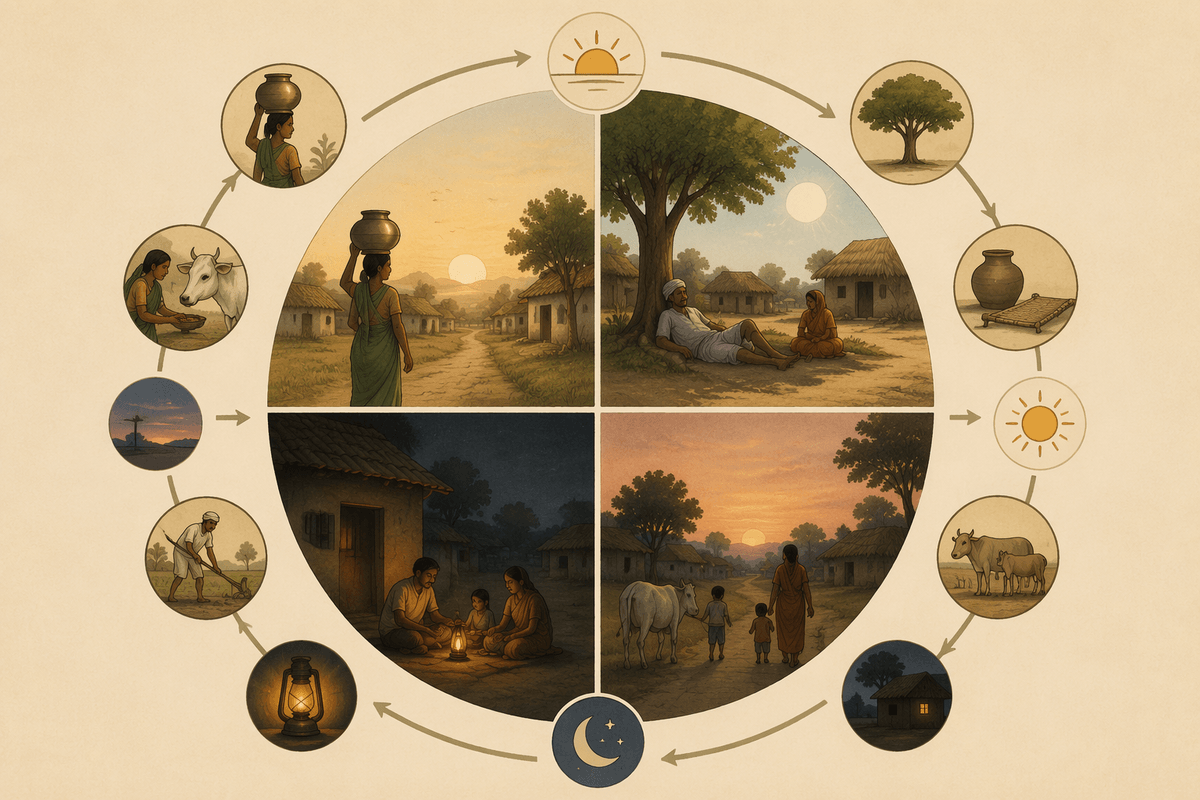
At 5:35 a.m., I heard the metal latch on the courtyard tap-tap as someone let the buffalo out, and I lay there deciding whether to fight my body clock or just accept it. The room was dim, my phone had died sometime in the night, and the only “alarm” was the kettle starting in the kitchen below. In Kathmandu I’d be hunting coffee; here I was listening for footsteps to figure out when breakfast was even a thing.
Village days don’t run on attractions so much as on tasks, and that’s a trade-off you either find calming or strangely empty. Morning is for water, animals, and field work; midday slows hard when the sun gets sharp, and plans bend around whoever has the key, the charger, or the only working stove. Compared to teahouse trekking, you get fewer prompts—no menu boards, no “next lodge in 2 hours”—so it helps if you’re comfortable asking simple questions and hearing “later” without a timestamp.
For a mid-budget solo traveler, timing becomes your main currency. If you arrive late afternoon, you’ll miss the social window when people are around and willing to chat; show up by lunch and you’re more likely to be folded into small routines (shelling beans, walking to the tap, a slow cup of tea). It doesn’t work as well if you need reliable Wi‑Fi blocks for work calls or you hate early nights—dark comes fast, power can be limited, and the quiet can feel louder than you expect.
Homestays feel warm, not luxurious
On my first homestay night, I stood in the doorway with my headlamp on, trying to decide if the bucket in the corner was “for washing” or “for everything.” The mattress was thin, the blanket smelled faintly of smoke, and someone had thoughtfully set out a steel cup and a bar of soap like it was a hotel amenity. I smiled, then did the math: I could be comfortable, or I could be here, and tonight it wasn’t going to be both.
Homestays tend to feel cared-for in the way that matters—warm tea, extra dal bhat, a grandmother insisting you take the chair—while still being basic in ways you can’t negotiate. Compared to trekking teahouses, you often get more privacy (your own room) but fewer “tourist comforts” like menu choice, hot showers on demand, or a reliable place to charge three devices at once. The trade-off is time and flexibility: meals happen when the kitchen fires up, not when you’re hungry, and if you arrive after dark you’ll eat whatever’s ready, not what you’d pick.
It works best if you can treat facilities as a limitation, not a crisis. Expect squat toilets sometimes, cold-water washing most days, and occasional shared spaces where sound carries; if you’re a light sleeper, earplugs buy more sanity than spending extra on transport. On a US$50–90/day budget, I’d spend a little on a small power bank and a decent towel, then save the “comfort splurge” for one night back in a town—right when the fatigue starts to flatten your patience.
Food, health, and connectivity basics
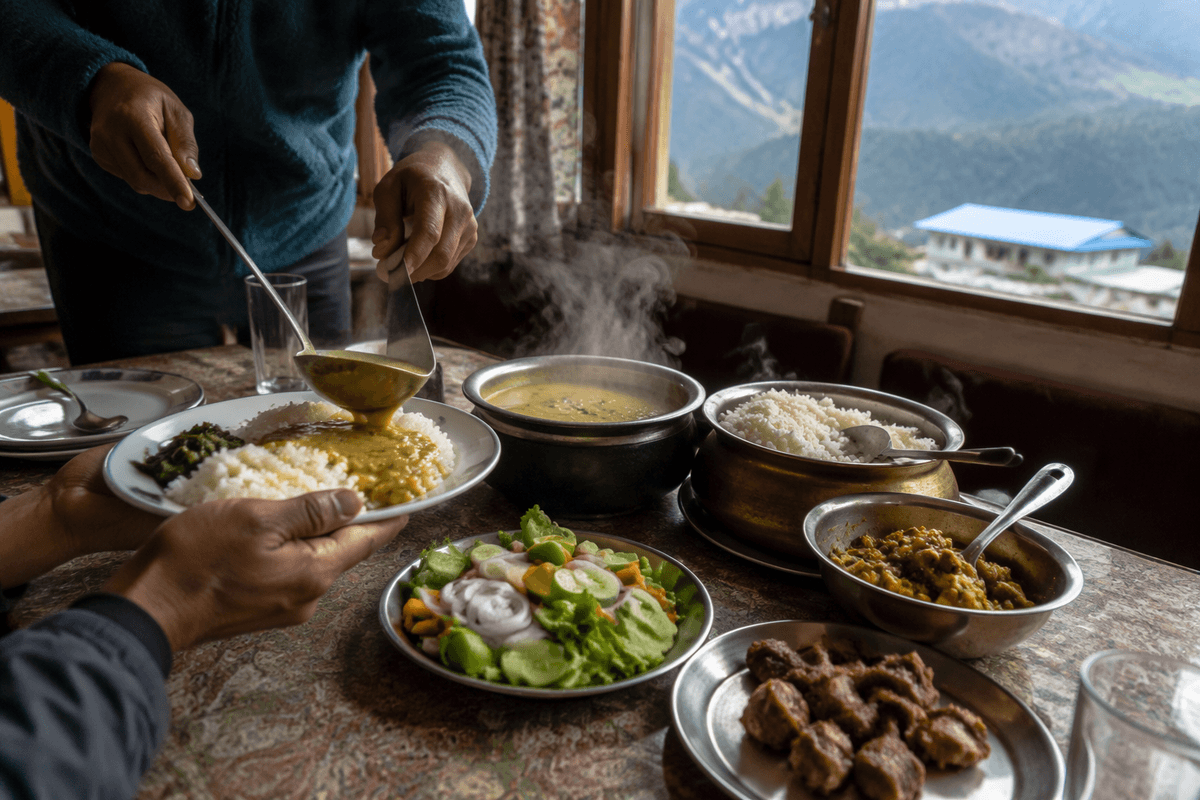
At lunch on day three, I watched my host’s daughter ladle dal onto my plate, then pause when I reached for my water bottle—she pointed instead at a metal jug that had been boiled earlier. I’d been assuming “safe enough” meant sealed bottles like trekking towns, but here it meant timing: drink right after it’s boiled, or be ready to treat it yourself. The food was simple and steady (dal bhat, tarkari, occasional eggs), and the only real choice was how spicy I felt like being while my stomach adjusted.
If you’re mid-budget, the easiest health upgrade is control over water. A filter bottle or purification tabs are lighter than the stress of hunting packaged water that might not exist, and they work even when the tap is a trickle. Compared with popular trekking corridors, pharmacies are sparse and “clinic” can mean a basic room with limited supplies, so carry a small kit: anti-diarrheal, oral rehydration salts, blister care, and whatever you’d rather not try to explain with hand gestures. Food hygiene is mostly about trade-offs—eat what’s cooked hot and served fresh, skip raw salads unless you trust the kitchen, and go easy on meat if you don’t know the slaughter timing.
Connectivity is similar: it’s not absent, it’s unpredictable. Some homestays have Wi‑Fi that works like a hallway light—fine until everyone turns it on at once—while mobile data can be strong on a ridge and dead in the courtyard. If you need uploads or calls, plan them for late morning or early afternoon, and don’t promise anyone back home a specific hour. A local SIM helps, but the real win is accepting that “offline evening” might be the most reliable feature of the place.
Best plan for first-timers
On day one, I caught myself hovering over a calendar app in Thamel at 9:20 p.m., trying to “optimize” a 12-day trip like it was a spreadsheet. The detail that snapped me out of it was small: a conductor had told me the morning bus “usually” leaves at six, which in Nepal is a promise with soft edges. That’s the first-timer problem—time pressure makes you over-plan, and remoteness makes plans elastic.
If you want a real village stay without letting logistics eat the trip, pick a region with road access plus a short walk-in, not a multi-day trek that demands perfect weather windows. Aim for 3–5 nights in one village (long enough to stop being “the visitor who just arrived”), bracketed by transit nights in a bazaar town; compared to hopping homestays, this saves energy and reduces the odds of getting stranded mid-route. Shoulder seasons tend to balance clearer views with fewer transport blowups, while peak monsoon is cheaper but riskier for landslides and delays.
Budget-wise, assume you’ll spend extra on one of two things: either time (buffer days) or money (a guide/porter or a jeep seat when the bus stalls). For solo travelers who hate uncertainty, hiring a guide for the first and last transit day is often the best trade—less “authentic” in the purist sense, but more village time in reality. Pack for low amenities (power bank, water treatment, warm layer, headlamp), then decide once you arrive whether to go deeper or stay put—either choice can be the right one if you’re not forcing it.


![8 Best Investments for Beginners [Build a Diversified Portfolio]](static/image/2026/07/21/881dac31-767e-43de-be06-48a2f9750981.png)