The real choice isn’t Uber vs walking
Standing outside the airport, I watched the pickup pin jump around while the fare climbed to $42 for a short ride. At that point, the choice wasn't just about price—it was about whether moving a little would make the trip easier.
A five-minute walk to a quieter pickup area can sometimes avoid surge pricing, but only if you're traveling light, the weather is good, and the location feels safe. In busy city centers, taking one stop on public transit can also turn a crowded pickup into a much smoother ride.
For me, Uber works best when convenience matters most—airport trips, late nights, or routes with awkward transit connections. For shorter daytime journeys, I compare the Uber fare with a taxi or transit in under a minute and choose the option that's most practical, not just the cheapest.
Before you ride: cut the base fare
I hesitated at the bottom of the escalator, still inside the terminal, because the app was quoting $42 from “Arrivals” and $31 from a spot that looked like the hotel shuttle island. The difference wasn’t magic—just a different pickup category and a different flow of cars—and it was the kind of gap that quietly wrecks a day-by-day budget. Standing there, I could either roll my bag for six minutes or pay for the privilege of not moving.
Before you even think about surge, try to lower the base fare you’re starting from. Airports, stadiums, and big event venues often funnel rideshares into designated zones that trigger extra access fees or slower dispatch; moving to the officially approved pickup point can help, but sometimes the cheaper play is the opposite: walk to a nearby hotel, transit station, or side street where the pickup is “normal” and drivers aren’t trapped in a queue. The trade-off is time and friction—crossing a busy road with luggage, navigating confusing signage, or losing the comfort of well-lit crowds—so I only do it when it’s daytime, I know the route, and the savings are more than a token $3–$5.
I also compare like with like before committing: UberX vs Comfort vs a taxi line, not UberX vs “whatever shows up.” In some cities, taxis from airports are flat-rate or tightly regulated, which makes them boring in the best way; in others, rideshare wins but only if you avoid premium categories and extra stops. If you’re traveling solo for 5–7 days, “predictable” usually beats “lowest,” so my rule is simple: if the cheaper pickup adds more than 10 minutes or makes me feel even slightly sketchy, I pay the higher base fare and treat it as the day’s safety surcharge.
At booking: beat surge and fees
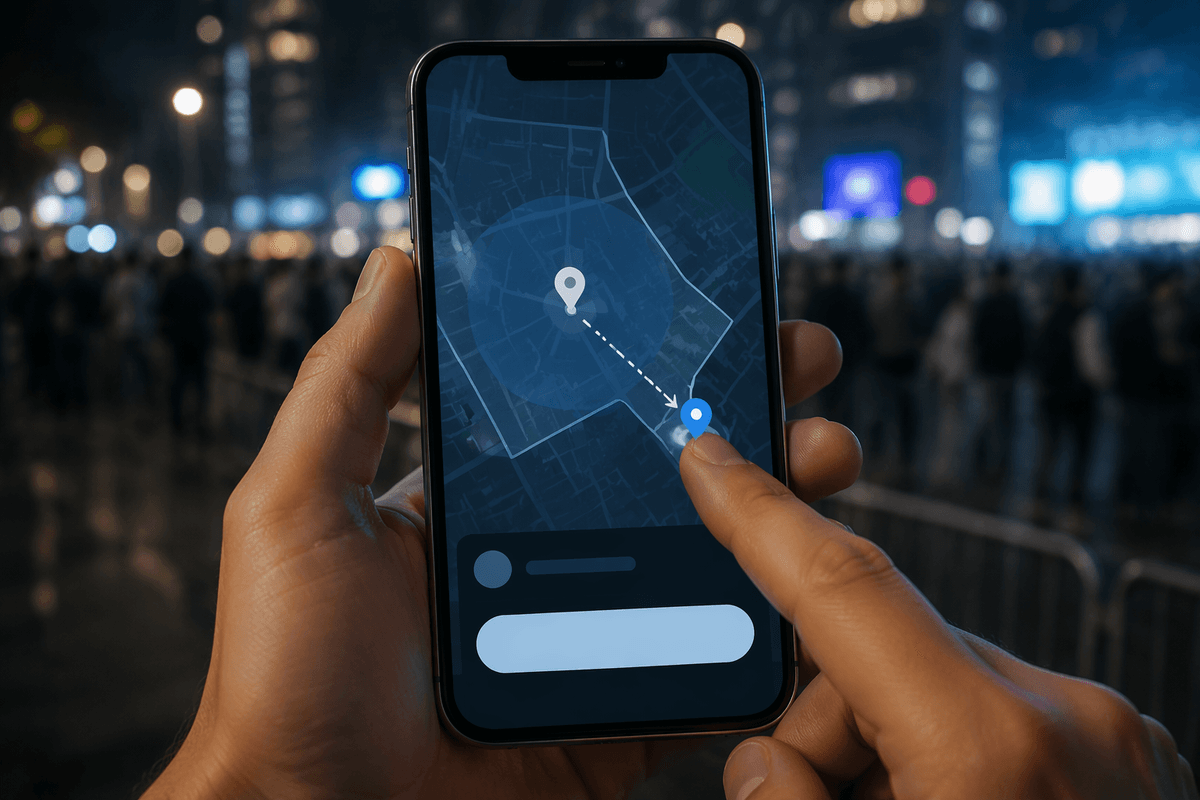
I hit “Confirm pickup,” then stopped when the price jumped $18 as the little lightning icon appeared. It was 11:07 p.m., raining hard enough that everyone leaving the bar was suddenly “just taking an Uber.” The driver count looked fine, but the quote was acting like there were only two cars in the whole neighborhood.
At booking, I treat surge like a timing tax you can sometimes dodge, and fees like gravity you usually can’t. Before you accept, tap into the fare details and look for what’s fixed (airport access, congestion charges, tolls) versus what’s spiking (demand). If the fee portion is already most of the total, waiting rarely helps; that’s when I compare a taxi rank or a late-night bus even if it’s less comfy. If the spike is mostly surge, a five- to eight-minute delay—or walking one or two blocks to a quieter street—often drops the quote, but it only works when the route is simple and you’re not trading a bright, busy corner for an empty one.
I also “shop the pin” before I shop the car: nudging the pickup to the next cross street can flip you out of an event perimeter without adding meaningful distance. Shared/carpool options can be real savings in downtown grids, yet they’re a gamble when you’re tired: extra pickups turn a 12-minute ride into 22, and your per-day budget gets messy. My personal guardrail is a ceiling price—if it’s over that, I switch modes, even if it feels inconvenient in the moment.
During the trip: prevent meter creep
Halfway across town, the ETA slid from 9 minutes to 17 while we crawled behind a delivery truck on a one-lane street. I watched the route line squiggle as the driver followed a detour sign I couldn’t quite read in the dark. The price in my head was still the quote I’d accepted, but the ride had started to feel like it was quietly renegotiating itself.
Even with upfront pricing, “meter creep” shows up when the trip changes shape: extra minutes in traffic, an added stop you forgot you toggled, or a route that picks up tolls you didn’t plan on. I keep the in-app map open—not to backseat-drive every turn, but to catch the big stuff early (wrong highway, looping for a pickup, detouring away from the destination). If something looks off, I ask a simple question (“Is this avoiding a closure?”) instead of accusing; it’s faster, less tense, and it usually nudges the route back on track.
I avoid “Add stop” unless I truly need it, because the convenience trade-off is time risk: a 2-minute errand can become 10 minutes of waiting you’re paying for. If the driver asks whether I prefer tolls, I answer deliberately—tolls can be cheaper than stop-and-go time, but only if the toll isn’t a nasty surprise. When the ride feels like it’s drifting (traffic spike, wrong turn, bad vibes), I’d rather end it at a well-lit corner and reorder than stay sunk-cost committed.
For longer stays: unlock repeat savings
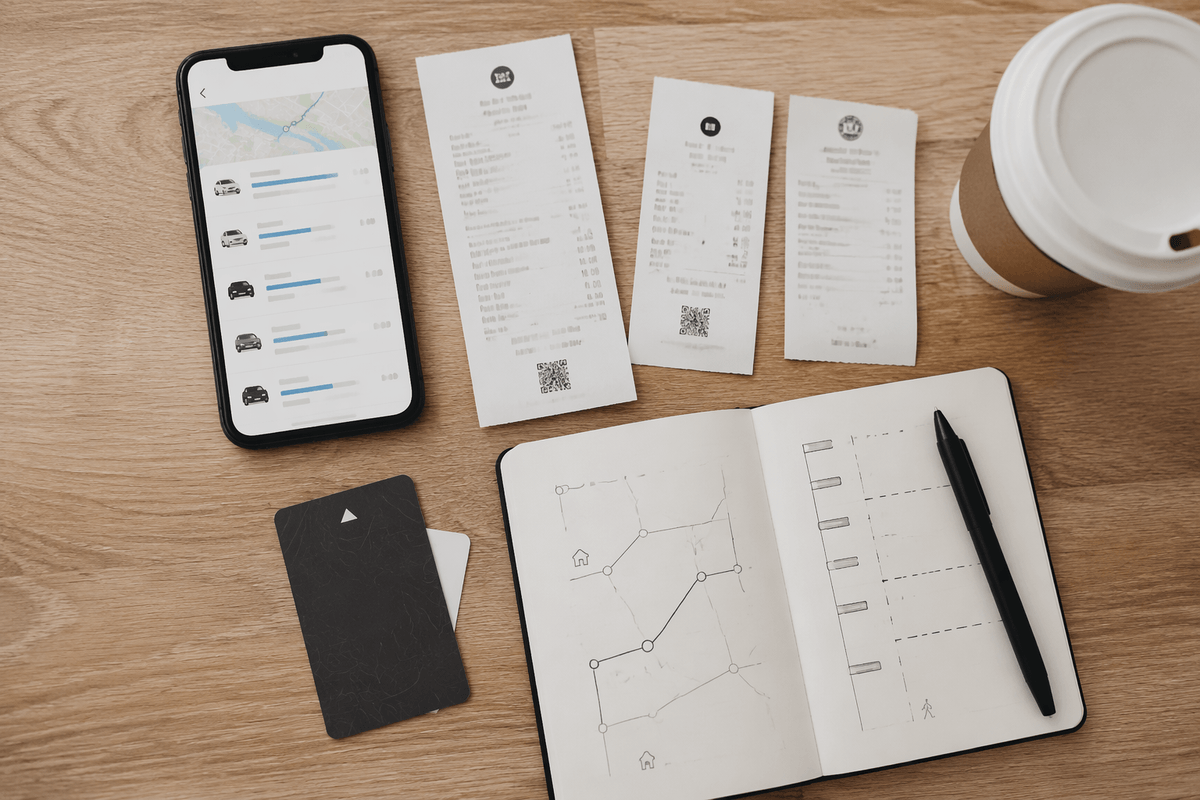
On day three, I opened the app outside my hotel at 8:12 a.m. and saw the same two-mile “quick hop” to my usual coffee spot had swung from $9.80 yesterday to $16.40 today. I hovered over “Confirm,” then backed out and re-checked the last three receipts, because the pattern was the point: I wasn’t taking random rides anymore—I was repeating them.
For a 5–7 day stay, repeat rides are where you can actually buy back predictability. If you’re taking more than a couple rides, it’s worth pricing a short-term membership (Uber One, where available) against your realistic count; it pays off fast in some cities, but only if you’ll use it enough to beat the subscription cost and you’re okay canceling later. I also build “known routes” early—hotel ↔ main neighborhood, hotel ↔ station—then re-order from history so the pickup pin stays consistent (and doesn’t drift into a higher-fee zone). Repeating a convenient pin can also repeat a bad choke point (valet lanes, security gates), so I’ll adjust the pin once, then stick to it.
If you find yourself using Uber at the same times each day, set a personal fare ceiling and a fallback (one subway stop, a taxi stand, even a 6-minute walk to a calmer street). That way you’re not negotiating with surge when you’re tired—you’re just following a rule you made while calm.
My default plan for cheap rides
At 12:18 a.m., the fare jumped just as I was about to book. My phone battery was low, the street was emptying, and waiting for a cheaper ride suddenly didn't seem worth it. I keep things simple: set a price limit, compare UberX with the next tier, and, if needed, move the pickup point a block away. If the fare is still too high and the trip isn't urgent, I'll switch to transit, a taxi, or walk to a busier pickup area instead of waiting through surge pricing.
Late at night or on airport trips, reliability matters more than saving a few dollars. Paying a little extra for a well-lit, straightforward pickup is usually worth avoiding unnecessary stress.