Why apple seeds raise concern in the first place
The first time someone bites into an apple core and feels that bitter snap from a seed, it can linger—less as a taste than as a question. Most of the apple feels harmless and familiar, so it’s jarring to hear that a tiny part of it is the reason people bring up “cyanide” at all.
Apple seeds raise concern because they contain a natural plant compound called amygdalin. On its own, it isn’t the same thing as cyanide sitting in the seed, but it can be broken down in a way that releases small amounts of cyanide-related compounds. Plants use chemicals like this as a kind of built-in defense, and seeds are one of the parts most likely to be protected.
What makes the topic feel confusing is how normal the rest of the apple is. One swallowed seed can seem like it should matter—or like it obviously shouldn’t—and both reactions make sense until you zoom in on the “small part” detail: it’s not the apple, it’s the seed, and it’s what happens to it before you swallow it.
Amygdalin, crushing, and how cyanide becomes available
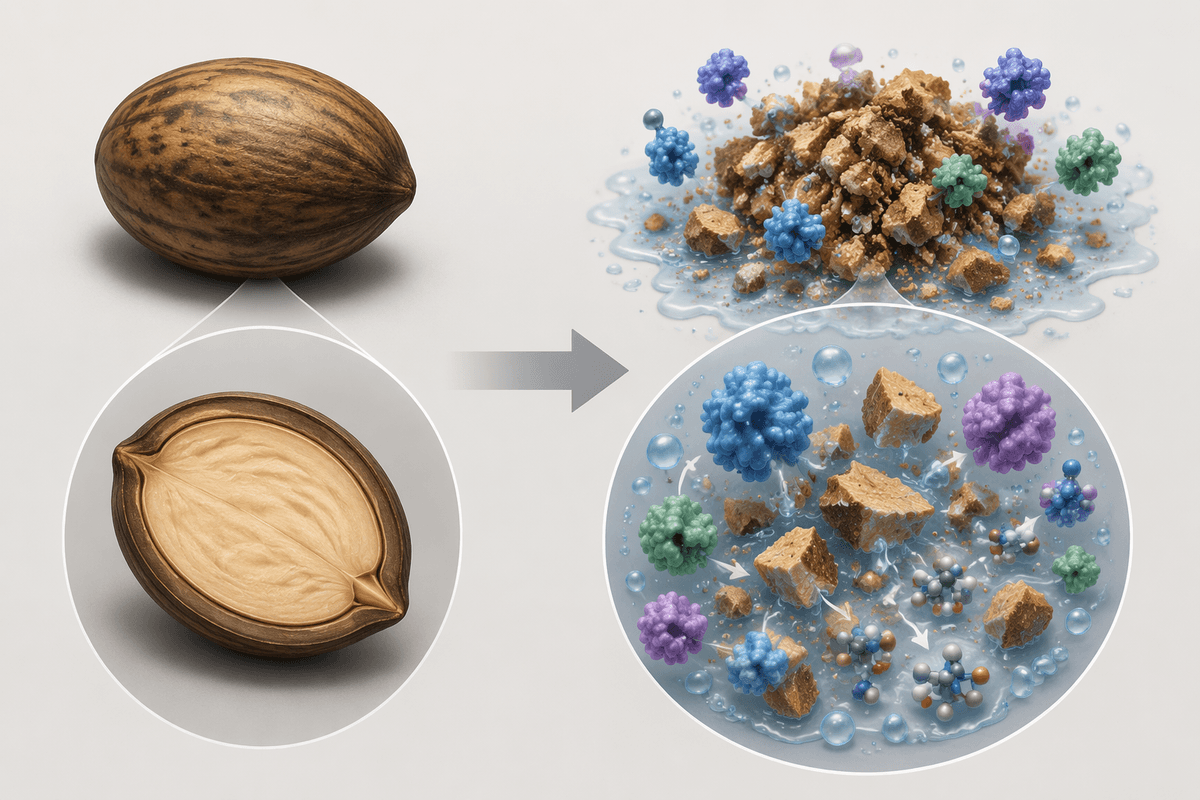
It often comes down to what happens in your mouth before the seed ever reaches your stomach. A seed that slips down whole can feel like the same “event” as a seed you crunch without thinking, but the bitter crack is a clue that you’ve changed the situation.
Amygdalin is tucked inside the seed along with other plant chemicals that stay mostly separated while the seed coat is intact. When a seed is crushed—by chewing, grinding, or blending—the inside mixes with enzymes and moisture. That contact helps start the breakdown process that can release cyanide-related compounds. In everyday terms, breaking the seed open makes more of what’s inside available, faster, and in a form your body can interact with.
This is where routine can matter more than accidents. A single chewed seed here and there may not lead to anything noticeable, which can make the risk feel overblown. But if seeds are being reliably pulverized—like in a daily smoothie that includes the core—the “protective packaging” is removed every time, and exposure becomes more about repetition than surprise.
Dose and body handling make risk feel inconsistent
Some days you can chew through an apple core and feel nothing at all—no stomach flutter, no headache, no “sign” that anything happened. That quiet outcome is part of why the risk feels inconsistent: small exposures don’t always announce themselves, and the body is built to process tiny amounts of many compounds without drama.
With chewed or blended seeds, what matters is how much of the seed’s contents actually gets absorbed, and how quickly. When the dose is low, your body’s normal detox and clearance systems can usually keep pace, turning a potential concern into something that simply passes through your day. But the same behavior can land differently depending on whether you’re doing it once, doing it daily, or doing it on an empty stomach when absorption can feel more “efficient.”
You might chew seeds regularly and feel fine—until a day when you don’t, for unrelated reasons. That’s when it can be hard to tell what’s pattern and what’s coincidence.
How many seeds matters more than one accidental bite
You notice it most when you rinse the blender: a dusty, tan grit that wasn’t there when you just ate the slices. Swallowing one seed by accident is a clean, forgettable moment. Turning several seeds into fine particles is different—not because it guarantees a problem, but because it changes the “how much” and the “how available” at the same time.
Most apples don’t actually contain a huge number of seeds, and plenty of cores have fewer than you’d expect. But the math shifts if you’re eating multiple cores a day, or tossing whole apples into smoothies and letting the blade do what teeth usually don’t. One chewed seed may amount to a small exposure your body clears without you noticing. Several crushed seeds, repeated day after day, can feel more unpredictable because you’re stacking small doses and making absorption easier.
That’s why the question people end up circling back to isn’t “Did I bite a seed?” but “How many did I actually break open?” The discomfort is that you often can’t count them afterward—especially once they’re blended—and the uncertainty tends to grow right where the habit is most automatic.
Who is more vulnerable and why the threshold shifts
The same smoothie can land differently depending on who’s drinking it. One person blends whole apples for weeks and never thinks about it again; another notices a faint nausea or a tight, headachy feeling and assumes the seeds must be “catching up.” The tricky part is that your tolerance for tiny exposures isn’t fixed, so the threshold can feel like it moves around.
Body size is one of the simplest reasons. A similar amount of crushed seed spread through a smaller body can effectively be a higher dose, even if it doesn’t feel like you changed anything. Kids are also more likely to be affected by smaller amounts for the same reason, and they may not describe early discomfort clearly—just “feeling weird” or suddenly not wanting food.
If your stomach is empty, if you’re dehydrated, or if your gut is already irritated, you may absorb more quickly or notice sensations you’d normally ignore. And if the habit is frequent—daily blending, chewing through multiple cores—what feels “fine” most days can still have occasional off days, which is often where the worry starts to stick.
Symptoms people notice versus what gets overlooked
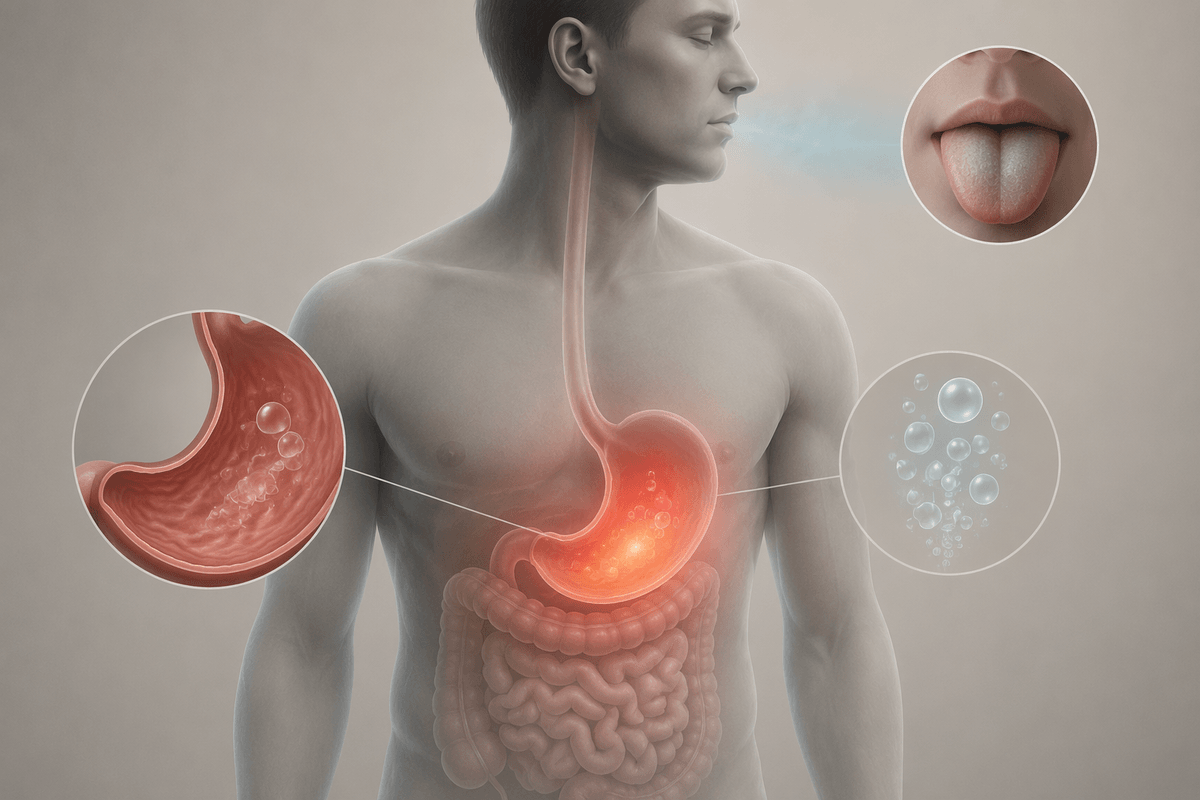
It can start as something you’d normally blame on a busy morning: a vague headache, a little nausea, a lightheaded moment when you stand up. When people worry about apple seeds, they often scan for dramatic signs, but the sensations that get attention tend to be the same ones caused by low sleep, dehydration, or a too-sweet smoothie on an empty stomach. That overlap makes it easy to connect dots that may not actually belong together.
If crushed seeds are part of a routine, what’s often overlooked is how subtle “gut feedback” can be—mild stomach irritation, unusual burping, a metallic or bitter aftertaste that hangs around longer than the apple should. Those aren’t proof of anything on their own, but they’re the kinds of small signals people miss because they don’t look serious. The discomfort might show up hours later, or only on days when the same amount hits a smaller buffer—less food, less water, more stress.
And sometimes there’s no clear sensation at all, which can be its own kind of confusion. A habit can feel safe because nothing announces itself, even though the real difference-maker is still the unglamorous one: how often seeds are actually being chewed or ground up, and how many end up in the mix.
Risk-reduction choices that can backfire in practice
It often shows up as a small “fix” that feels responsible in the moment: leaving the seeds in because you heard the amounts are tiny, or doing the opposite—picking them out so carefully that you end up chewing the core longer than you normally would. Both can backfire. Seeds that would have slipped through intact can get cracked during extra nibbling, and once they’re broken, the bitter taste is basically a sign you’ve made more of the contents available.
Blending is another common trap. A smoothie can feel safer because it’s diluted and easy to drink, but the blade does what teeth sometimes don’t: it reliably pulverizes whatever seeds are there, turning an occasional bite into a consistent, repeatable exposure. People also underestimate how quickly “one apple a day” becomes two or three once you’re using whole apples for convenience.
Even “offset” habits can mislead—like adding extra citrus or supplements and assuming it cancels the issue. Usually, the more practical lever is still the boring one: how many seeds are getting crushed, and how often, especially when your routine is the part that’s hardest to notice.


![8 Best Investments for Beginners [Build a Diversified Portfolio]](static/image/2026/07/21/881dac31-767e-43de-be06-48a2f9750981.png)