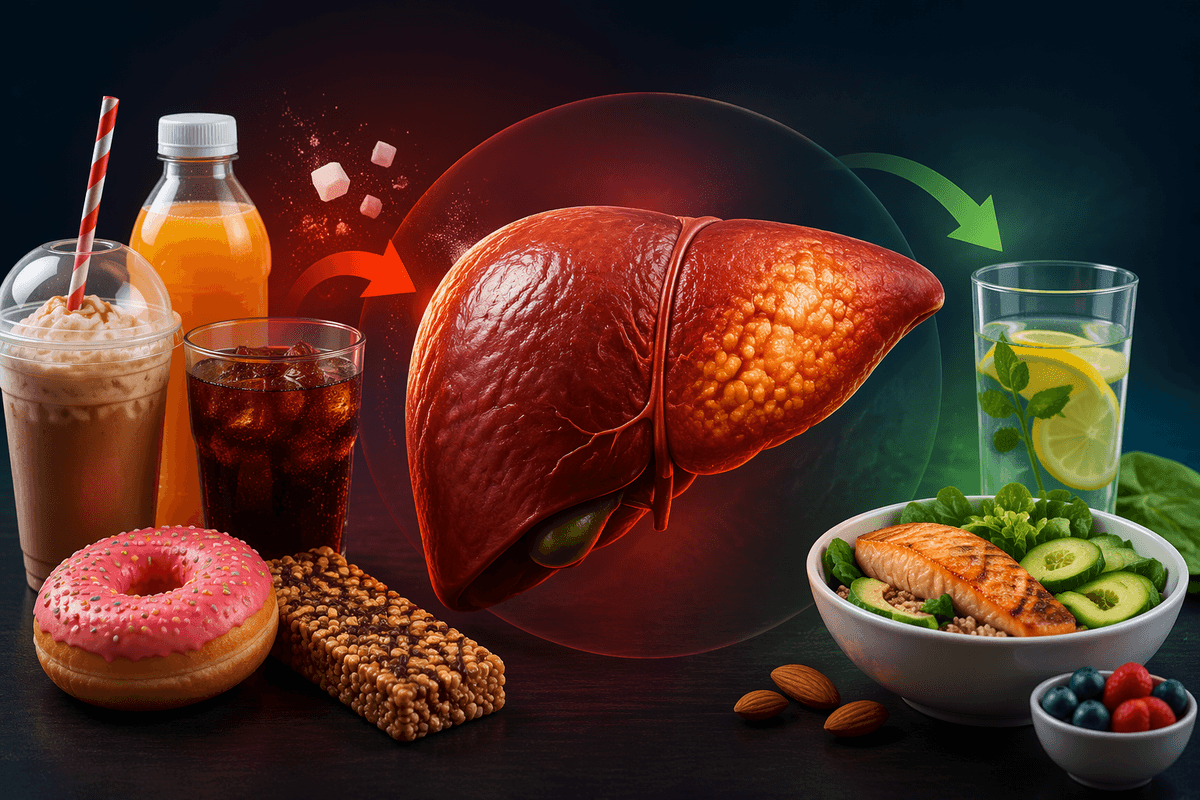
Why diabetes changes nutrient needs in subtle ways
Some days it’s not dramatic—just a late-afternoon drag that shows up even though breakfast looked “responsible,” or a craving that feels oddly specific. It can be easy to blame willpower or carbs alone, especially if your numbers aren’t wildly off. But when eating gets narrower over time—same proteins, same vegetables, fewer fruits, fewer grains—small nutrient gaps can start to hide inside an otherwise consistent routine.
Higher blood glucose can also change what your body quietly loses. When glucose spills into urine, water follows, and some minerals may get pulled along with it. At the same time, your tissues may not use fuel as smoothly, so normal activities can feel more effortful, and recovery can seem slower. Add in common medications and long-term habits, and absorption or storage of certain nutrients may shift without any obvious warning sign.
That’s why patterns like frequent muscle cramps, lingering fatigue after diet changes, slower wound healing, or “healthy eating” that still feels draining can be worth noticing—not as a crisis, but as a clue that your nutrient needs may be drifting.
Magnesium: the quiet link to insulin sensitivity
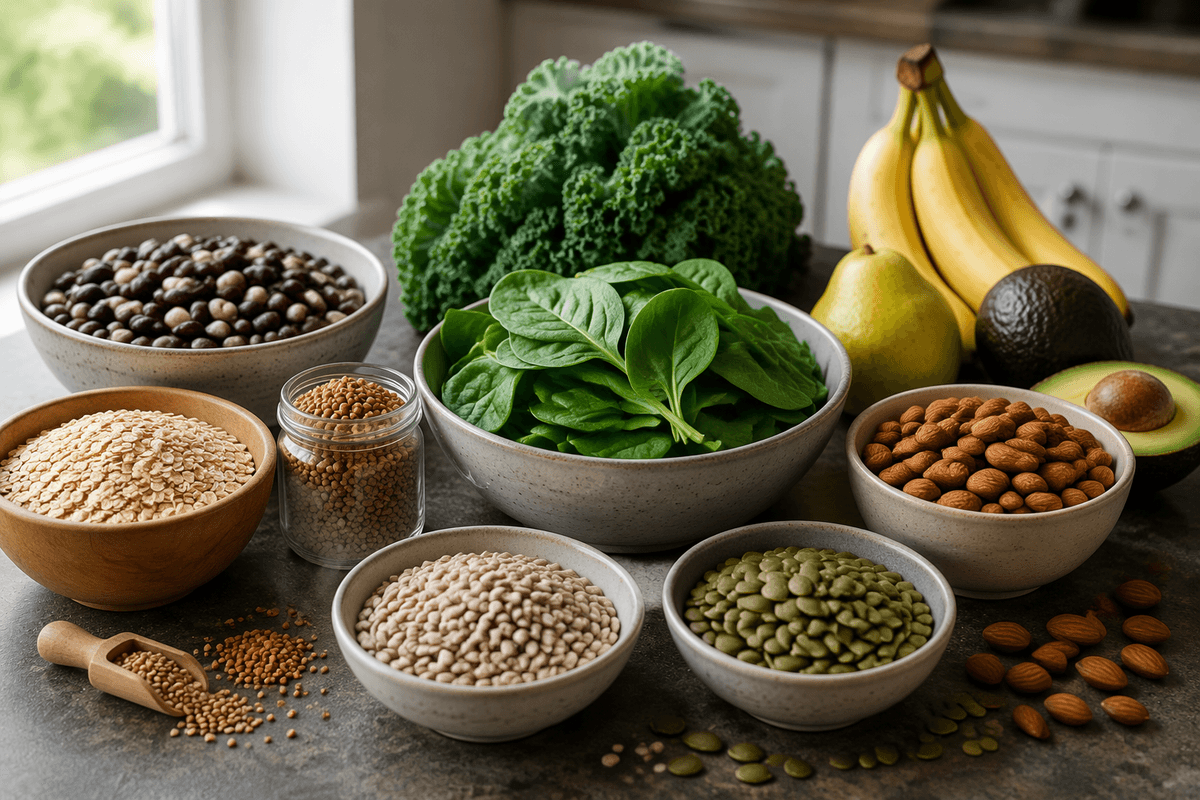
It may start as a small annoyance: a calf cramp that wakes you up, a twitchy eyelid, or legs that feel “wired” after a walk that used to be easy. When you’re counting carbs, it’s common to tighten food choices without noticing what fell away—beans, nuts, whole grains, even some fruit—and magnesium often lives in those sidelined foods.
Magnesium helps cells handle glucose and plays a role in how insulin signals get used. If blood sugar runs higher for stretches, more fluid moves through the kidneys, and minerals can be lost along with it. Over time, that can make energy feel less steady, recovery a little slower, and cravings harder to read—because the body isn’t using fuel as efficiently as it could.
It’s not always consistent, which makes it easy to dismiss. But if cramps, restless sleep, or a new “drag” lines up with a narrower diet or medication changes, it may be a useful pattern to flag.
Vitamin B12 gaps that appear after years
Sometimes it’s less “tired” and more oddly foggy—like you slept, ate well, and still feel a step behind. If you’ve leaned into a tighter routine for years, B12 can be one of the nutrients that slips quietly, because it depends on stomach acid and a smooth handoff through the gut to be absorbed.
That matters in type 2 diabetes because common long-term patterns can interfere. Metformin, in particular, is linked with lower B12 levels over time, and acid-reducing medicines can add another layer. Meanwhile, if your “healthy” plan has drifted toward the same few foods—less meat, fish, dairy, or fortified grains—there may not be much coming in to offset the slow leak.
The low energy that doesn’t match your carbs, slower recovery, or new pins-and-needles that’s easy to chalk up to circulation. When it builds slowly, it’s often the pattern—not one bad day—that stands out.
Fiber and gut effects beyond carbohydrate counting
It can feel like your stomach is the one keeping score: a day of “good” carb control, yet you’re still bloated, oddly hungry, or searching for something sweet an hour after eating. When carbs get trimmed, fiber often goes with them—less oats and beans, fewer lentils, fewer higher-fiber fruits—and the change can be subtle enough that it looks like a willpower problem instead of a gut one.
Fiber does more than slow down glucose spikes. It helps hold water in the stool, gives gut bacteria something to ferment, and shapes the short-chain fatty acids that influence appetite signals and inflammation. When fiber drops, digestion can speed up or stall out, and meals may feel less “sticking,” even if the calorie count hasn’t changed.
A higher-protein, lower-carb week might bring constipation, then a sudden swing to urgency after a “normal” meal. If cravings and energy dips start clustering around these gut shifts, it can be a quiet clue that the carb math is missing a bigger piece.
Vitamin D as a proxy for broader metabolic strain
It often shows up as a vague “heavy” feeling—stairs feel a little steeper, your legs stay sore longer, or your mood seems flatter in the same season you’re trying to be consistent. Because vitamin D isn’t something you feel drop day to day, it’s easy to pin these changes on sleep, age, or just being “off.”
Vitamin D is less about one symptom and more like a signal that the whole system is under strain. It’s involved in muscle function and immune response, and low levels may line up with slower recovery or more frequent aches. In type 2 diabetes, routines that keep you indoors, weight changes, and diets that cut fortified foods or fatty fish can all reduce what you store. Some people also seem to use up reserves faster when inflammation stays quietly high.
If you notice the pattern clustering—low energy, slow bounce-back, and more nagging soreness—it may be worth treating it as information, not a personal failure.
Potassium and sodium balance when kidneys matter

It can feel like a “salt problem” at first—lightheaded when you stand up, a hollow kind of fatigue, or a sudden pull toward salty foods even though you’ve been eating “clean.” Early carb-cutting can drop insulin levels and nudge the kidneys to release more sodium and water, so you may lose fluid faster than you expect. Some days it’s just a headache or a workout that feels strangely flat.
Potassium is the other side of that seesaw. It’s involved in muscle contraction and heart rhythm, but it’s also tightly managed by the kidneys. If blood sugars run higher, extra urine flow can carry minerals out. Add a water pill for blood pressure and potassium losses can rise; on the flip side, some blood pressure meds can push potassium higher, especially if kidney function is already strained.
That’s why cramps, skipped-beat sensations, or swelling that doesn’t match your routine can be confusing—sometimes it’s not “more discipline,” it’s a shifting balance that deserves a closer look.
Food-first versus supplements: where expectations mismatch
The mismatch often shows up in the cabinet: a new bottle of magnesium or D3, taken faithfully, while dinner stays basically the same. At first it may feel like the supplement “isn’t working,” because the afternoon slump still hits, cravings still spike, or soreness still lingers. But many gaps aren’t single-nutrient problems; they’re a pattern of narrower food choices, uneven fiber, and minerals that wash out faster when glucose runs high.
Food tends to come packaged with what the body expects—protein with B12, beans with magnesium and fiber, produce with potassium—plus the slow digestion that steadies energy. Supplements can help in specific situations, but they can also miss the real friction: inconsistent absorption, medication effects, and day-to-day kidney handling of fluids and salts.
If a “healthy” routine keeps requiring more pills to feel normal, that tension itself may be the clue worth noticing.