Fluency isn’t the choice—coverage is
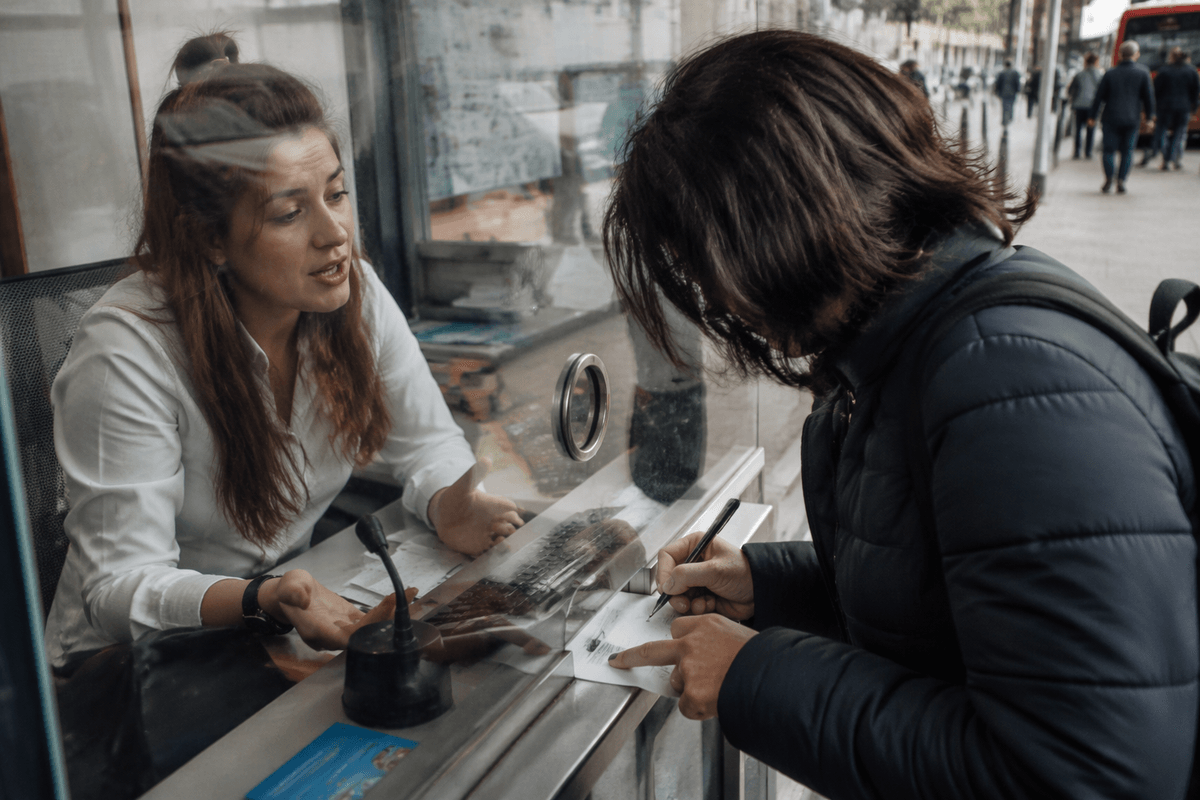
I stalled at the Split bus station kiosk with a printed ticket in one hand and a dead data signal on my phone. The clerk pointed at a seat map and said something I caught as “platform,” but the number sounded like three different numbers at once. I could’ve forced English, but the line behind me was thick and impatient, and my goal was speed, not a language exam.
In the Balkans, fluency isn’t the decision you’re really making on a 14-day loop—coverage is. Croatia and Bosnia will reward basic “please/thank you” and clear numbers; Serbia adds the script wrinkle; North Macedonia is friendlier than you’d expect to English in tourist corridors but less so on rural buses; Albania is its own island linguistically. The trade-off: chasing perfect grammar costs time you don’t have, while learning a tiny, repeatable toolkit buys you smoother transactions when you’re tired, hungry, or arguing with a timetable.
For mid-budget couples who book key transport early but keep days flexible, aim for “fast cooperation” language: greetings, apologies, “one/two,” “today/tomorrow,” “where,” “how much,” and “I don’t understand—English?” Apps still matter, but they fail exactly when you’re most constrained—border queues, underground stations, and ticket offices with no Wi‑Fi. If you can cover the first 20 seconds of an interaction, you usually get the rest for free.
Build your Balkans language map
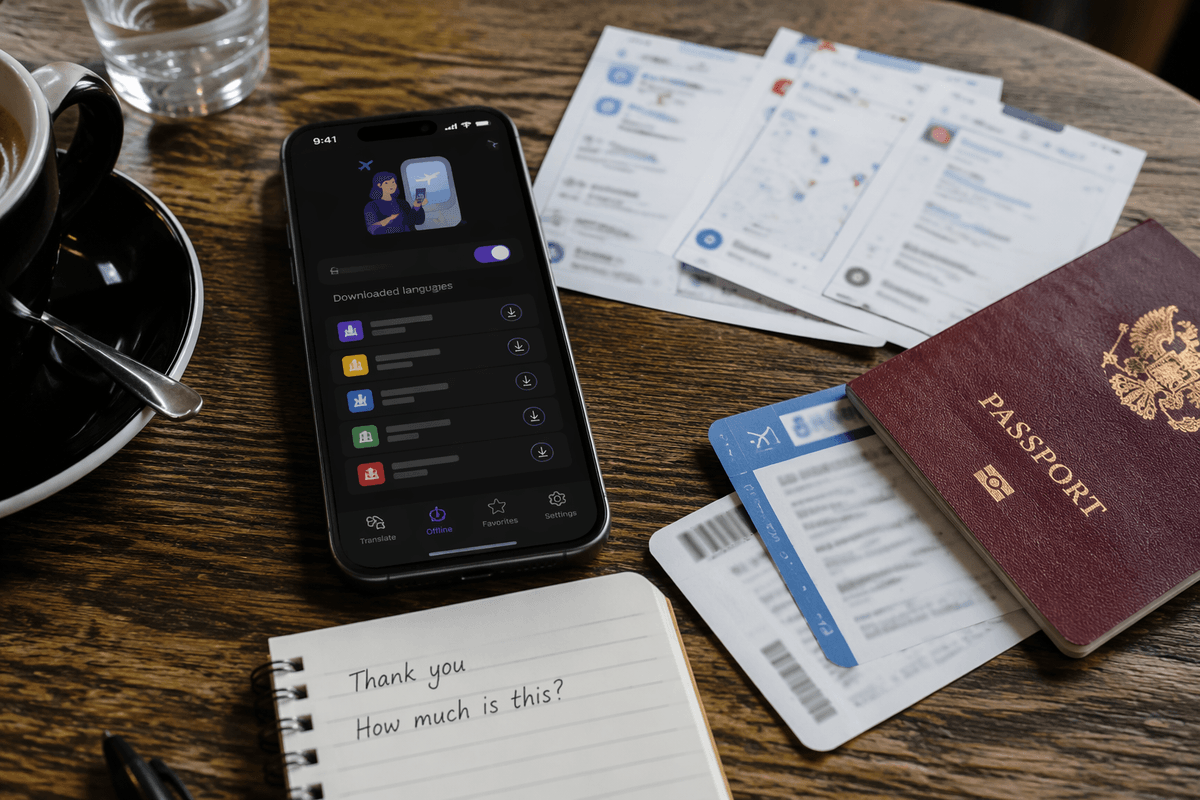
I hesitated at a border-side bakery outside Neum, staring at a handwritten menu where half the words looked familiar and half looked like someone had changed the vowels on purpose. The woman behind the counter said something that sounded like “sir” or “cheese,” and my brain offered three wrong translations at once. It was the same language family as Croatia’s, but the social rules around what you call it felt less forgiving than the grammar.
For your loop, draw the map in layers: BCMS (Bosnian/Croatian/Montenegrin/Serbian) covers Croatia, most of Bosnia, and Serbia well enough that one phrase set pays rent across borders—numbers, “please/thanks,” “excuse me,” “where,” “how much.” Using “Croatian” in Croatia and “Serbian” in Serbia is the low-friction move, while “BCMS” is accurate but sounds academic; when unsure, skip labels and just speak. English works best with younger staff and in city centers; on buses, kiosks, and rural stops, a clean local opener often beats perfect English.
Then plan for the script and island moments. Serbia and North Macedonia add Cyrillic; you don’t need to read novels, but recognizing station names and “izlaz/exit” saves time when platforms shift fast. Albania is the real reset—Latin script, but Albanian vocabulary won’t “click” like BCMS—so lean harder on offline tools: download translation packs before you leave Wi‑Fi, save key addresses as screenshots, and keep one “Can you write it?” line ready for drivers when pronunciation fails.
Phrases that unlock real help fast
I realized my “tiny toolkit” was too polite when a driver in Sarajevo shut the luggage bay and I still hadn’t confirmed the stop. He was already waving the next bag through, and my careful “excuse me” landed like background noise. What worked was shorter and more directional: a point, a destination, and one clear question.
For Croatia–Bosnia–Serbia, I’d prioritize BCMS phrases that trigger action, not admiration. “Molim” (please) and “Hvala” (thanks) smooth the edges, but the real time-savers are “Gdje je…?” (Where is…?), “Koliko košta?” (How much?), “Karta za…” (Ticket to…), and “Peron?” (Platform?). Add “Danas/sutra” (today/tomorrow) plus numbers 1–10; it’s the difference between a clean correction and a five-minute spiral at a kiosk. If you’re worried about labels, skip naming the language and just speak; people tend to respond to effort faster than to terminology.
Serbia and North Macedonia reward one extra line: “Ne razumijem. Govorite li engleski?” (I don’t understand—do you speak English?). It’s a trade-off: you’re admitting limits, but you’re doing it early, before the queue behind you becomes a factor. Albania is where I switch tactics—keep “Faleminderit” (thank you) and “Sa kushton?” (how much?) handy, then lean on “Mund ta shkruani?” (Can you write it?) when pronunciation stalls and the driver’s patience is on a schedule.
Cyrillic, Latin, and pronunciation hacks
At Beograd Centar I paused under a departure board that looked like it had been mirrored: “Београд,” “Ниш,” “Скопље.” My screenshot of the ticket was in Latin, the platform sign was in Cyrillic, and the only thing moving faster than the crowd was my confidence dropping. I didn’t need to “learn Cyrillic” so much as recognize the handful of place-names that decide whether you get on the right bus.
The practical hack is to treat scripts like icon recognition, not reading. For Serbia (and sometimes North Macedonia), memorize a tiny set: Б (B), Н (N), П (P), С (S), Р (R), Т (T), and the lookalikes that trick you—В is “V,” not “B,” and Х is “H,” not “X.” It’s a trade-off: you’ll still be slow on full sentences, but you’ll be fast on the only parts that matter under time pressure—city names, “излаз” (exit), and “улаз” (entrance).
Pronunciation is the other quiet time-saver, because you can be “polite” and still be unintelligible through glass at a kiosk. In BCMS, lean on clean consonants and don’t overthink accent; “č/ć” and “š/ž” matter more than perfect melody, and “lj/nj” are their own sounds (not “l + j”). Albanian flips the frustration: Latin letters, unfamiliar sounds—so it often works better to ask for it written, then point, than to repeat a guess three times. If you’re choosing where to spend effort, spend it on reading signs in Serbia and being clearly repeatable everywhere else.
My simple plan for a multi-country trip
I was on a late-afternoon bus rolling toward the Serbia–North Macedonia border, watching my partner’s phone drop from 12% to 4% while the driver yelled something that sounded like a stop and a warning at the same time. The ticket PDF was fine; the problem was everything around it—signs, questions, and the tiny decisions that get expensive when you’re tired. In that moment, “learn the language” felt less useful than “choose what you’ll be able to do offline.”
My plan is blunt: carry one shared phrase set for Croatia–Bosnia–Serbia (BCMS basics + numbers + “ticket to…/platform/where/how much”), then bolt on one extra layer per country only where it buys time. In Serbia, I spend my effort on reading: a Cyrillic cheat note for place-names and entrance/exit beats polishing pronunciation you won’t use. North Macedonia gets the same approach, but I assume English will work in Skopje and tourist zones—just not when you’re negotiating a rural stop with a bus idling. Albania is the hard reset, so I switch from “say it” to “show it”: saved addresses as screenshots, offline translation pack, and one reliable “can you write it?” line.
Politically, I avoid labels unless someone asks; speaking simply is smoother than debating what to call it. If you’re booking key transport early, pick two “must-not-fail” moments (border day and your longest bus) and rehearse only what protects those. Everything else can be messy; you’re optimizing for fewer bottlenecks, not a perfect performance.






![8 Best Investments for Beginners [Build a Diversified Portfolio]](static/image/2026/07/21/881dac31-767e-43de-be06-48a2f9750981.png)